1. Count usable days, not hotel nights
A Friday-to-Monday stay does not always provide four sightseeing days. Write down arrival at accommodation and departure for the airport. Give major venues complete days and keep arrival afternoon for a nearby area without a rigid admission dependent on an on-time flight. An early departure day may offer only breakfast and transfer.
For example, Saturday afternoon arrival and Tuesday morning departure leave two full days, not four. Decide whether Sunday is coast, a venue or centre with checked opening, and place the market on Monday because its regular schedule excludes Sunday. That change improves the trip more than another list of sights.
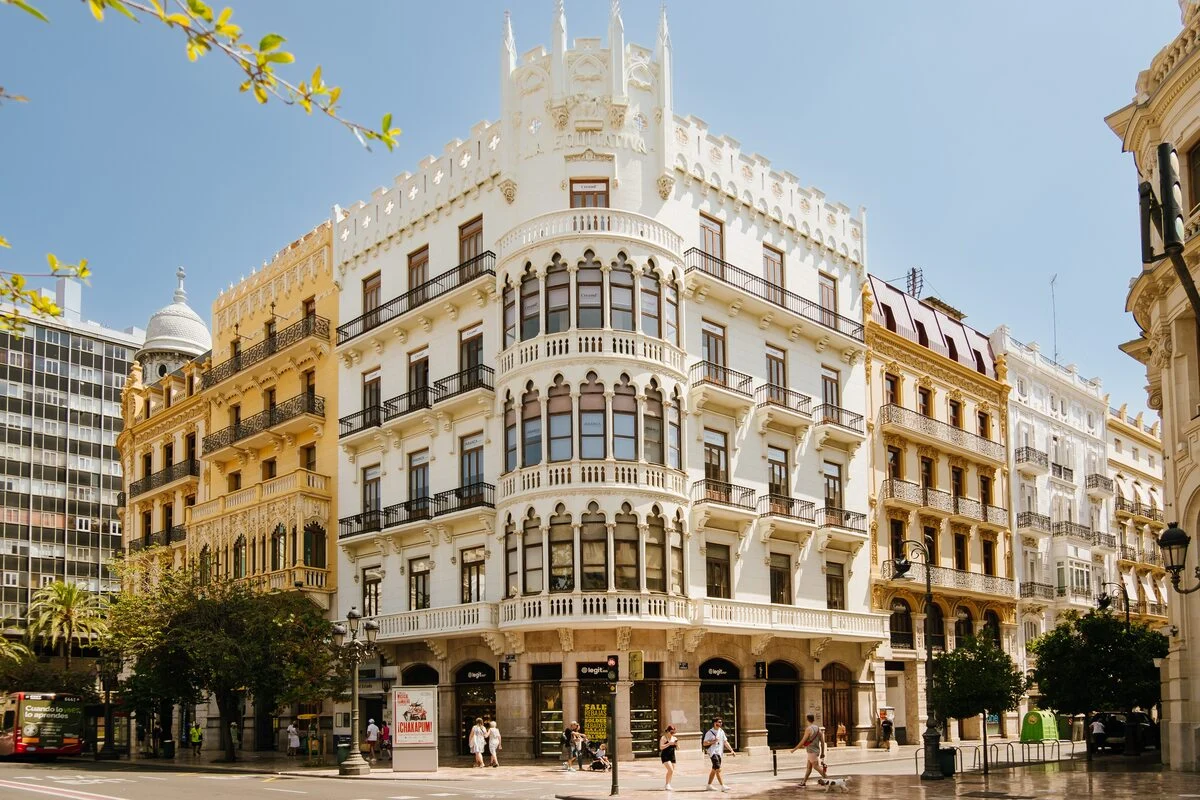
2. Divide Valencia into geographic blocks
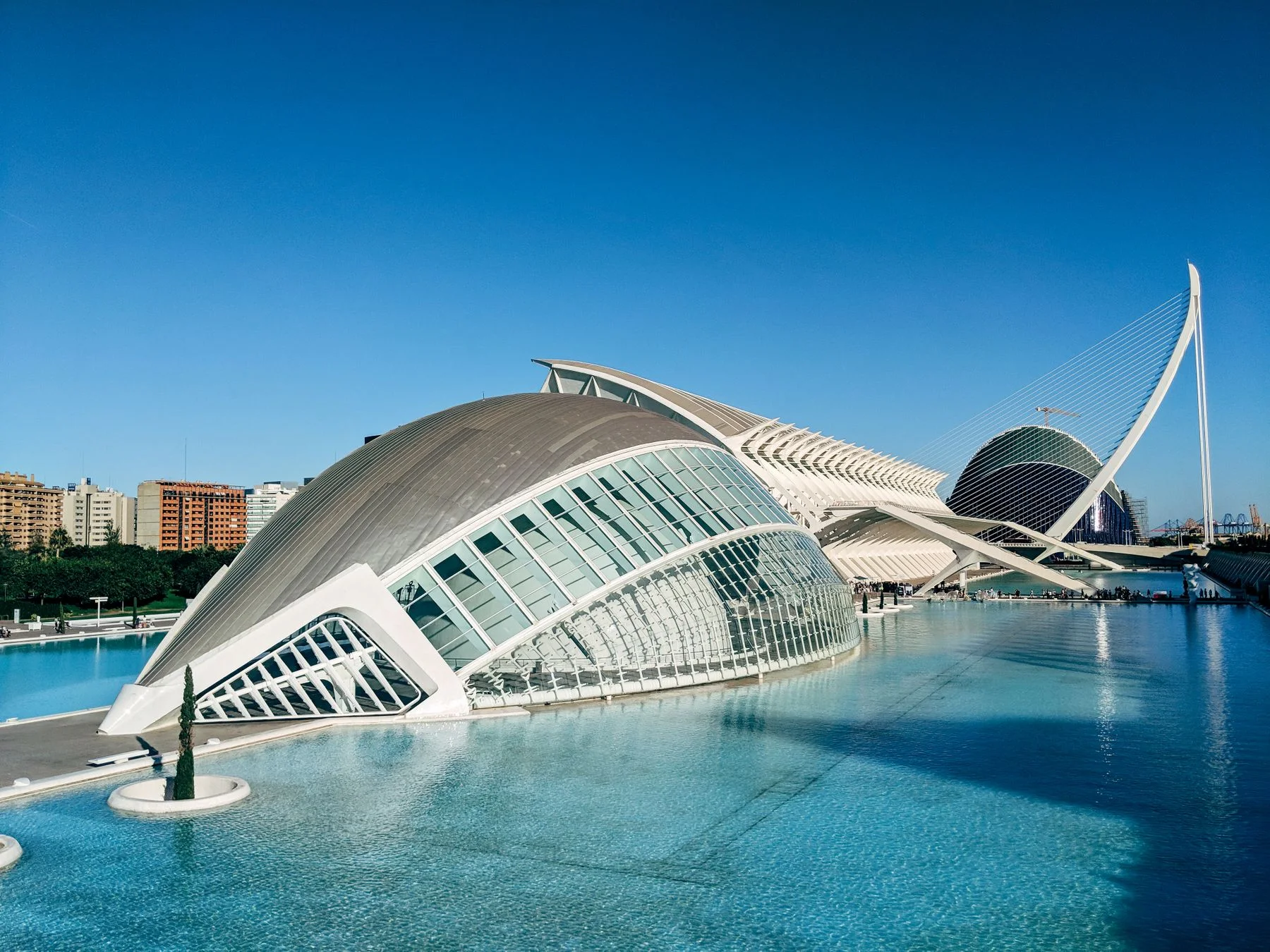
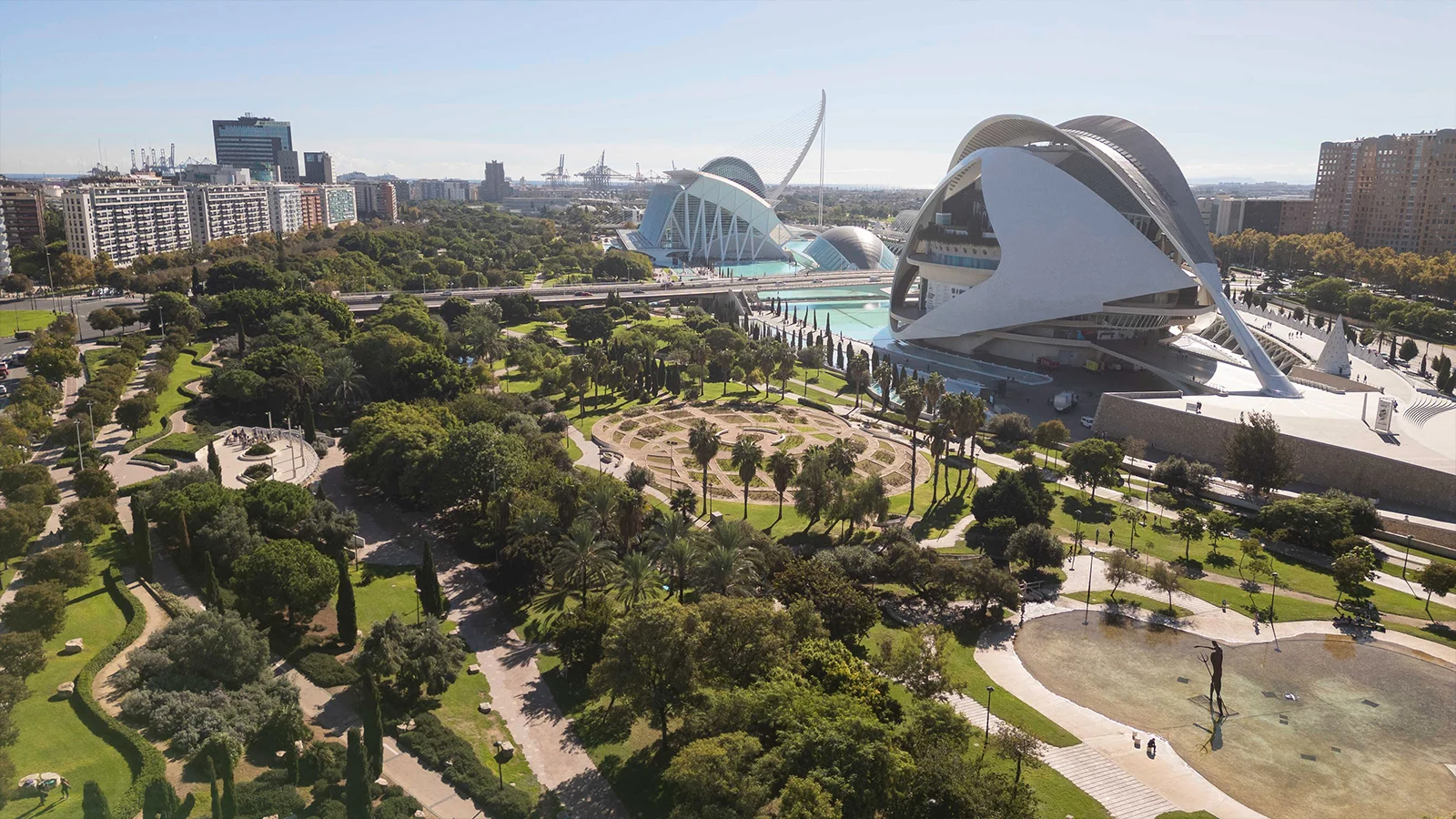
Ciutat Vella, City of Arts, coast and l’Albufera need separate blocks. BIOPARC lies in western Valencia rather than beside Oceanogràfic. Mark a main visit per block and add nearby places. If every morning repeats a long cross-city journey, reconsider the order before buying transport.
Start with the three-day plan and substitute the least interesting block instead of adding another large park at day's end. The essential sights map explains walking combinations and separate journeys.
3. Book the time-setting activity first
A Hemisfèric session, guided walk or boat outing shapes the rest of its block. Check venue, entrance, date, time and ticket inclusions. “City of Arts” does not identify every building you will enter. For a combined ticket, understand the allowed distribution of days and visits under its conditions.
Save confirmation and access documents offline and check whether an exchange is needed. For age-based fares, carry the provider's requested evidence. Do not assume a confirmation email replaces every admission requirement or that all activities allow date changes.
4. Separate in-vehicle and door-to-door time
A planner may show a short metro segment but omit your walk to the station, waiting, changes and exit. Calculate from the full address. Marítim is not beach sand; Aeroport requires appropriate coverage; the stop nearest a complex may not be nearest your actual entrance.
For groups, compare all passengers and card costs rather than one fare. The airport and city transport guides detail the steps. Save the return before your battery dies and before the last connection, particularly for coastal dinner or an out-of-centre sunset.
5. Let meals help organise the day
A heritage morning can finish with an unhurried rice lunch; do not put it between tight reservations. Ask about advance paella orders, minimum portions and per-person pricing. Valencian mid-morning almuerzo is another substantial meal: a large one may make an immediate full lunch unnecessary.
For market shopping, arrive before closing rather than after a late meal. Horchata belongs in another snack block and needs cooling when bought natural to take away. The food guide distributes products and areas without forcing everything into one day.
6. Make a budget with comparable categories
Separate accommodation, transfers, city travel, admissions, food and extras. When comparing cards, count only benefits you will actually use. Age-based or free-day entry cannot be counted again as card savings; a discount is not included admission. Repeat the calculation separately for adults and children.
Check the actual accommodation address and access instead of “centre” or “beach”. A nightlife street may not suit early sleep. During Fallas, comparing the location with events and monuments is especially useful. The neighbourhood guide helps choose by interests and connections.
7. Prepare a nearby alternative for heat or rain
A weather change is not solved by an impulsive cross-city trip. For a central morning, identify a suitable interior nearby; at the City of Arts, choose a covered venue before rain starts. In heat, shift long walks early or late and retain a midday pause. The historical climate guide informs the season, but daily decisions require forecasts and warnings.
At the beach, check flags and municipal status even in sunshine. For l’Albufera, coordinate outdoor activities and return with operator guidance. An outing cancelled for conditions should not be replaced by another exposed to the same situation.
8. Let the city remain a city
Markets, Cabanyal houses and neighbourhood squares are places where people work and live. Do not block stalls and doorways while looking or photographing. With a pushchair, wheelchair or luggage, check passages and lifts on the actual route. A plan with breaks and fewer priorities allows a square, seasonal shopping or a changed visit without making the trip feel unsuccessful.
Frequently asked questions
How many real days does a three-night break provide?
It depends on arrival and departure. Note usable hours: an arrival afternoon and airport morning are not two full days.
What if I can only visit the market on Sunday?
The Central Market's regular schedule is Monday to Saturday. The exterior is possible, but not indoor shopping; change the order if another day exists.
Should I schedule every minute?
No. Set activities with compulsory times first and leave room for walking, meals and changes.
Does a City of Arts ticket include everything?
Not necessarily. Check venues, admissions and allowed dates for the exact product.
What should I compare between travel or tourist cards?
Actual journeys, airport coverage, card costs, admissions you would pay for and confirmed benefits, calculated for each traveller profile.
Why save the return journey?
Last connections, battery and diversions can change the return, especially for coast and excursions outside the centre.
Should temperature alone decide beach plans?
No. Swimming also depends on flags, waves, wind and lifeguard services; check the day's conditions.