Choose the kind of trip first
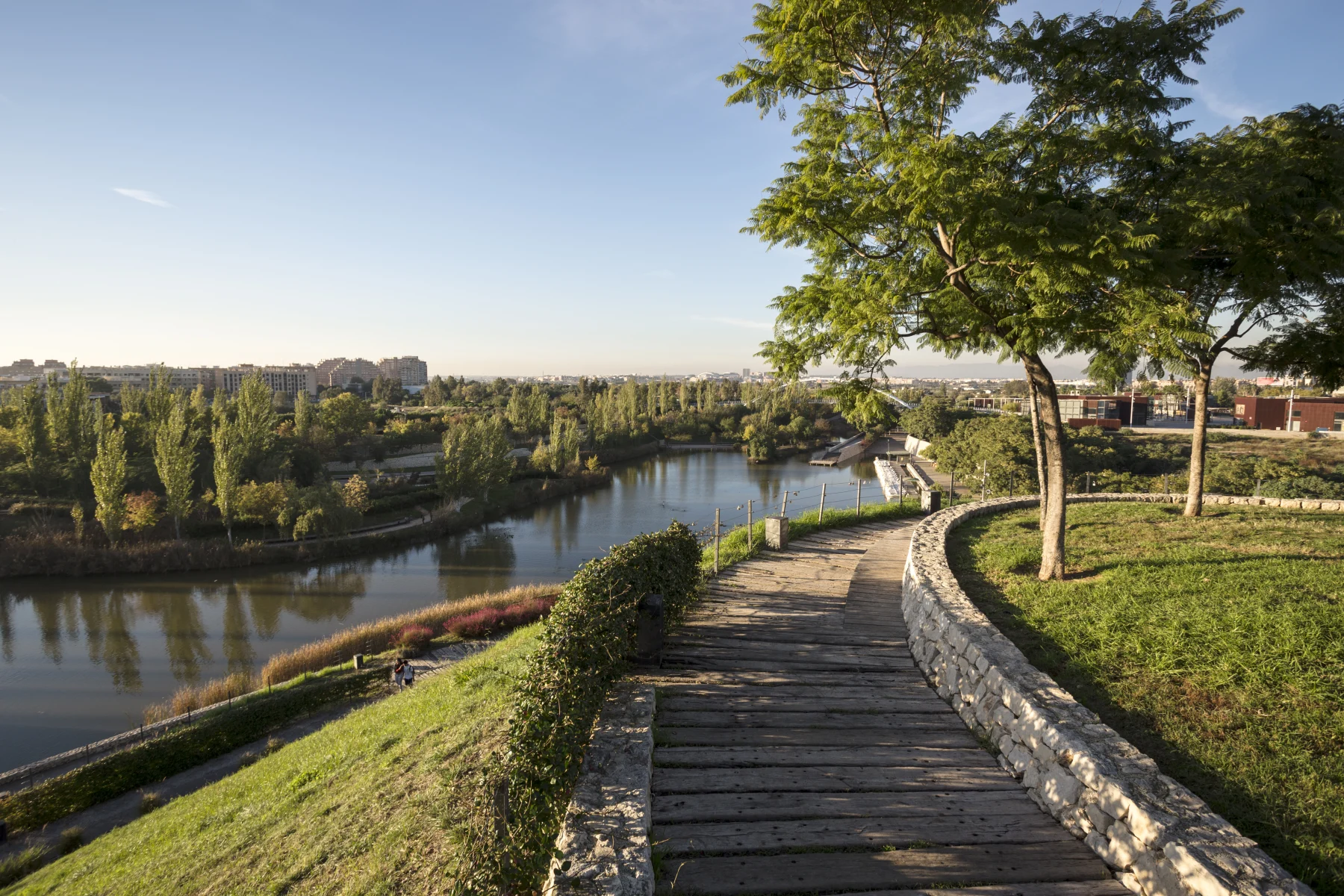
For walking through Ciutat Vella and gardens, spring and autumn offer a reasonable planning basis without guaranteeing mild weather. For Fallas, March brings an intensity that temperatures cannot explain. A beach trip in summer needs sightseeing arranged around heat and sea conditions checked. Museums and food can work in winter when daylight and holidays are considered.
The best month depends on what you will not sacrifice. A couple seeking quiet chooses accommodation differently from visitors attending Fallas. With young children or limited walking, a long midday break may matter more than a monthly average. Choose the main experience and build flexibility around it.
Twelve months of AEMET climate reference
| Month | Mean °C | Mean high °C | Mean low °C | Rain mm | Sun h |
|---|---|---|---|---|---|
| January | 11.8 | 16.4 | 7.1 | 37 | 171 |
| February | 12.5 | 17.1 | 7.8 | 36 | 171 |
| March | 14.4 | 19.3 | 9.6 | 33 | 215 |
| April | 16.2 | 20.8 | 11.5 | 38 | 234 |
| May | 19.0 | 23.4 | 14.6 | 39 | 258 |
| June | 22.9 | 27.1 | 18.6 | 22 | 276 |
| July | 25.6 | 29.7 | 21.5 | 8 | 314 |
| August | 26.1 | 30.2 | 21.9 | 20 | 288 |
| September | 23.5 | 27.9 | 19.1 | 70 | 234 |
| October | 19.7 | 24.3 | 15.2 | 77 | 202 |
| November | 15.3 | 19.8 | 10.8 | 47 | 167 |
| December | 12.6 | 17.0 | 8.1 | 48 | 155 |
These are historical normals for urban València station 8416, 1981–2010. They are neither a forecast for your dates nor sea temperatures. Mean highs are not a ceiling on heat, and sunshine hours are monthly observed sunshine, not day length. See AEMET's official series.
January and February: heritage during the middle of the day
Place squares and walks in daylight, then an indoor visit later. One combination is the Central Market in the morning, the Silk Exchange and Cathedral area, with a selected museum for the afternoon. Bring a layer for leaving: midday sunshine and evening can feel different. Do not base a winter itinerary on expected swimming.
In December, January and holiday weeks, check that date's opening rather than the weekly pattern alone. Sundays and local celebrations can affect markets and monuments differently. On a short stay, prioritise the sight with the fewest opening alternatives.
March and April: festivals change the routes
Decide whether you want to participate in Fallas or visit Valencia while it happens. Noise, monument installation, crowds and diversions affect streets and rest. For heritage, group fewer visits in one area and read transport alerts. For festival events, use the specific programme instead of a time repeated from another edition.
April may overlap Easter, whose date moves. Maritime Holy Week belongs particularly to the seaside neighbourhoods; it is not concentrated in the same square as major Fallas events. Give Cabanyal and Canyamelar their own block rather than appending them to an already full day.
May and June: make outdoor time sustainable
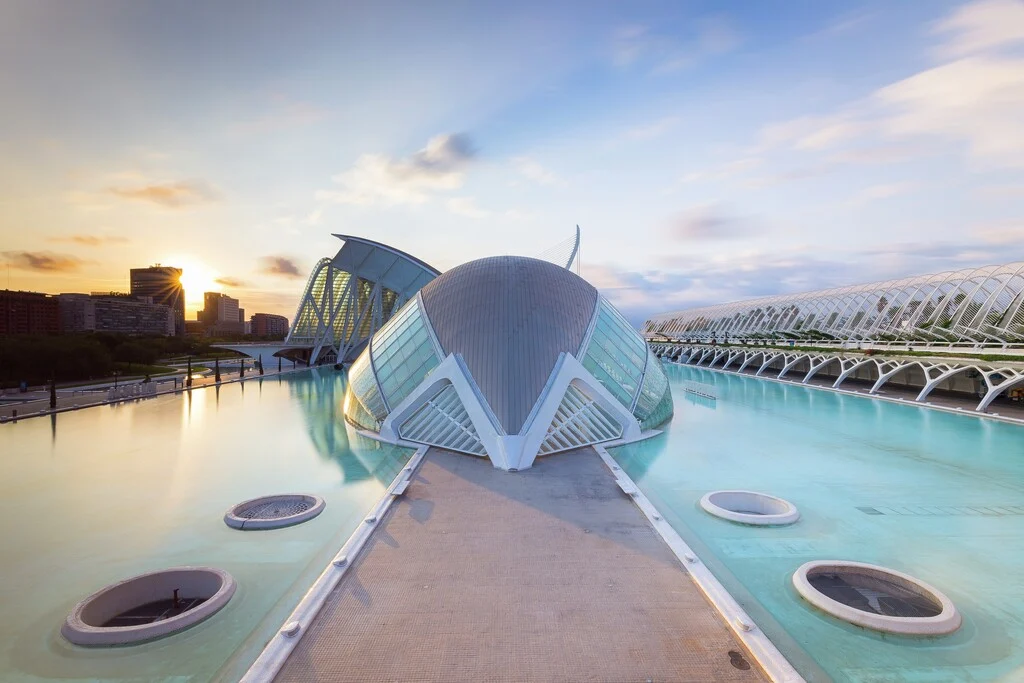
May suits a proposed morning in the centre and afternoon in the Turia, retaining an indoor backup. In June, bring long walks, cycling or open-air attractions forward and put a meal or museum in the central hours. At the City of Arts decide between exterior architecture and several venues: the latter needs proper time, rather than a brief pause en route to the beach.
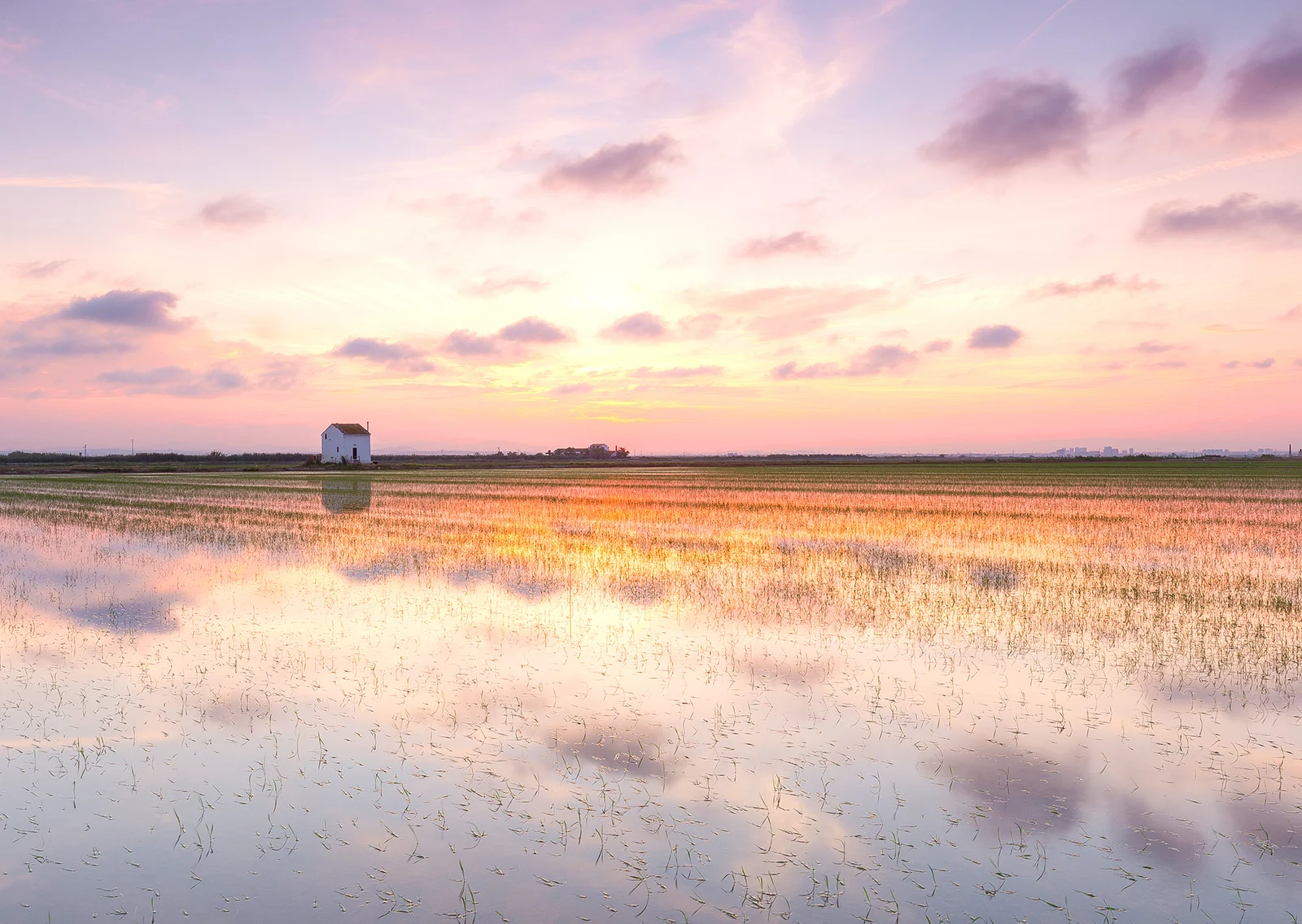
For l’Albufera, select the main aim—landscape, lunch or boat—and plan the return before leaving. Sunset shifts with the month and may not match your operator's timetable. The l’Albufera guide helps coordinate it.
July and August: change the day's structure
The historical series shows higher night temperatures and mean highs. Avoid putting Turia walking, an outdoor attraction and the promenade consecutively at midday. A more manageable pattern is outdoors early, a long break or covered activity, then a late-afternoon walk. Check shade and water along the route, and choose accommodation allowing rest between blocks.
Beach use depends on wind, waves, flags and that day's services. Clear skies do not establish safe swimming; a quality award does not replace lifeguard instructions. Consult the municipal beach status and respect alerts. July's Fair is another reason to read the programme, without turning the whole trip into nightlife.
September and October: keep two genuine options
In this normal, September and October have higher average rainfall than July; October reaches 77 mm. That means neither daily rain nor a forecast for your holiday. Prepare a covered alternative in the same area: Silk Exchange and another museum in the centre, or a preselected indoor City of Arts venue. The rainy-day plan avoids improvised long transfers.
Under weather warnings, adapt or cancel outdoor activities according to official and operator instructions. A backup is not the same excursion moved to another exposed place. In November and December, concentrate nature and walks into available daylight, leaving interiors later. Before departure, check the near-term forecast, warnings and real conditions as well as this table.
Frequently asked questions
Which months suit lots of walking?
Spring and autumn can work well, but averages do not guarantee every day. Plan breaks and check forecasts and warnings close to travel.
Is the table this year's forecast?
No. It is AEMET's historical normal for València 8416 in 1981–2010, not a forecast or sea-temperature series.
Does October mean rain every day?
No. The 77 mm figure is historical average monthly rainfall, not its daily distribution or your dates' weather.
Is March suitable for a quiet holiday?
That depends on Fallas overlap and your accommodation address. Check events, installation and noise before booking.
How should I organise l’Albufera in summer?
Choose the main activity and confirmed time, do not assume everything fits at midday, and plan the return. Check warnings and operator conditions.
Does sunshine guarantee swimming?
No. Check sea conditions, flags and lifeguard service as well as the weather.