A decision map, not twenty obligations
First separate the historic centre, Turia corridor, City of Arts and coast. The centre lies west of the waterfront; the old riverbed skirts Ciutat Vella and continues southeast. BIOPARC is at the western end, while l’Albufera means travelling south. These relationships matter more than popularity rankings.
Choose from the following twenty according to your interests. A façade and a museum interior involve different time commitments. Group two or three interior visits in a day rather than everything appearing close on the map, and leave space for food and travel.
Historic centre: six walkable stops
- Central Market. See the iron structure, stained glass and domes alongside everyday shopping. Come in the morning for produce and activity rather than treating it as an always-open museum. Market visit guide.
- Silk Exchange. Follow spiral columns into the vault, then move through the Orange Tree Courtyard and Sea Consulate. The complex explains trade, not just one photogenic room. What to notice.
- Cathedral and Miguelete. Separate the church, Holy Chalice chapel and tower climb: they are different activities with potentially different arrangements. Compare the exterior doorways' styles. Cathedral planning.
- L’Almoina. An archaeological interior revealing city layers below current streets. Choose it for interpreted urban history rather than adding another church without time to see it.
- Serranos Towers. Read the walled city's edge facing the old riverbed. The exterior already explains that relationship; check access and stairs if climbing.
- Marqués de Dos Aguas Palace. Its alabaster entrance introduces the National Ceramics Museum. Decide between exterior viewing and a museum visit; conservation works may alter façade visibility.
West and north: art, walls and distinct gardens
- Quart Towers. Look for impact marks and compare them with Serranos. This is a different city gate at another edge of the centre; climbing both is unnecessary to understand their role.
- Botanical Garden. A university garden of plant collections, separate from the Turia. Choose it for botany and careful observation, allowing for its own access and hours.
- IVAM. Choose by exhibitions on your dates and an interest in modern and contemporary art. An artwork in an old promotion may no longer be displayed.
- Fine Arts Museum. Devote a block to painting in the former San Pío V building. Select rooms or artists of interest and pair it with the northern edge of the centre.
- Monforte Gardens. An enclosed garden scale contrasting with the linear park. Enjoy composition and rest rather than treating it as a shortcut.
Turia and contemporary city: walks and interiors
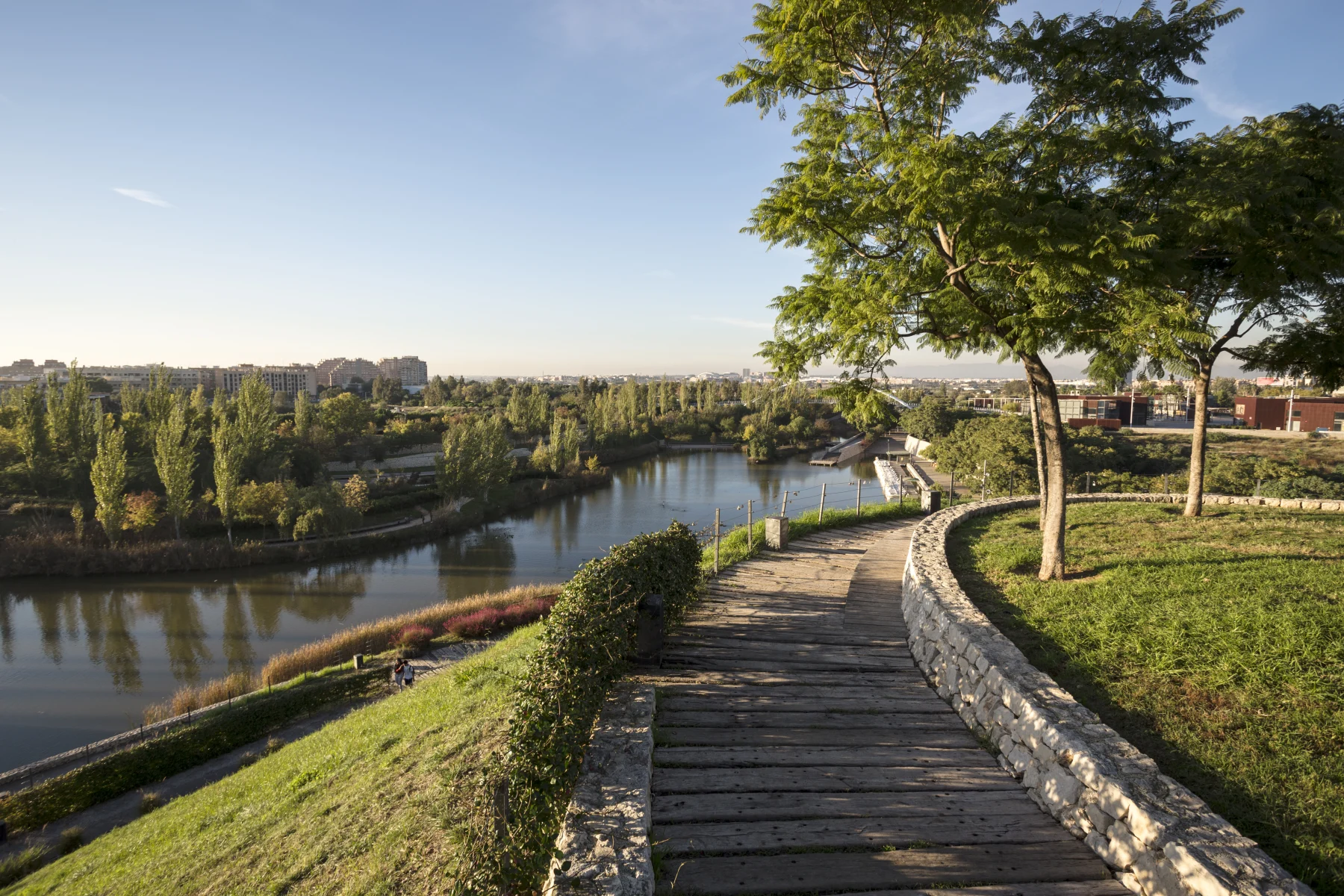
- Turia Gardens. Choose a section between bridges rather than completing the whole park. For centre-to-contemporary-area walking, calculate distance, shade, water and an exit to transport. Turia sections.
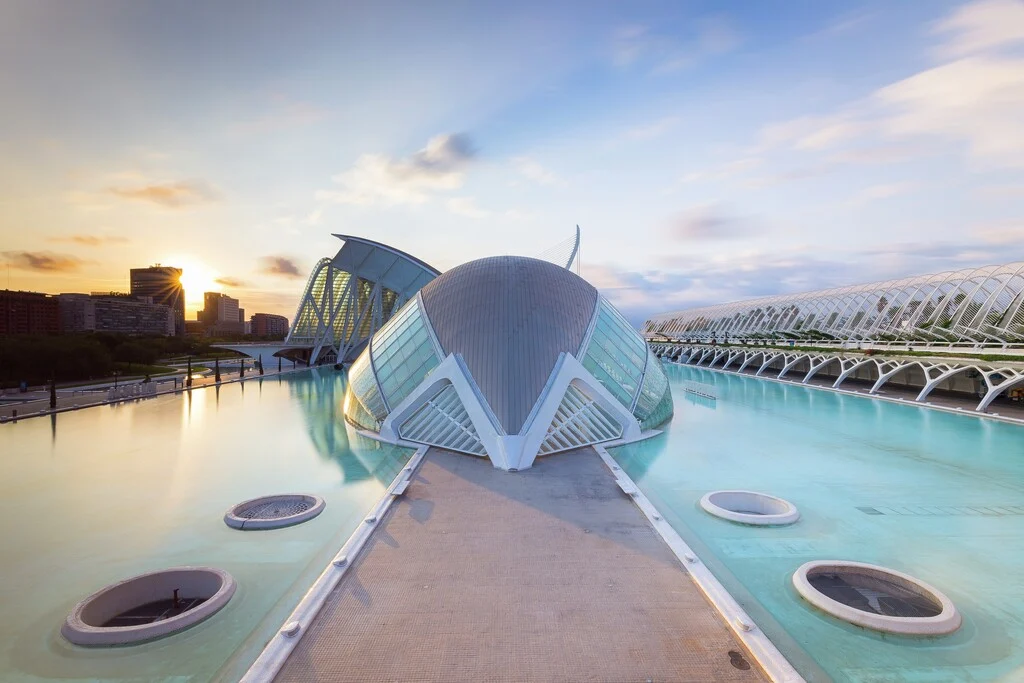
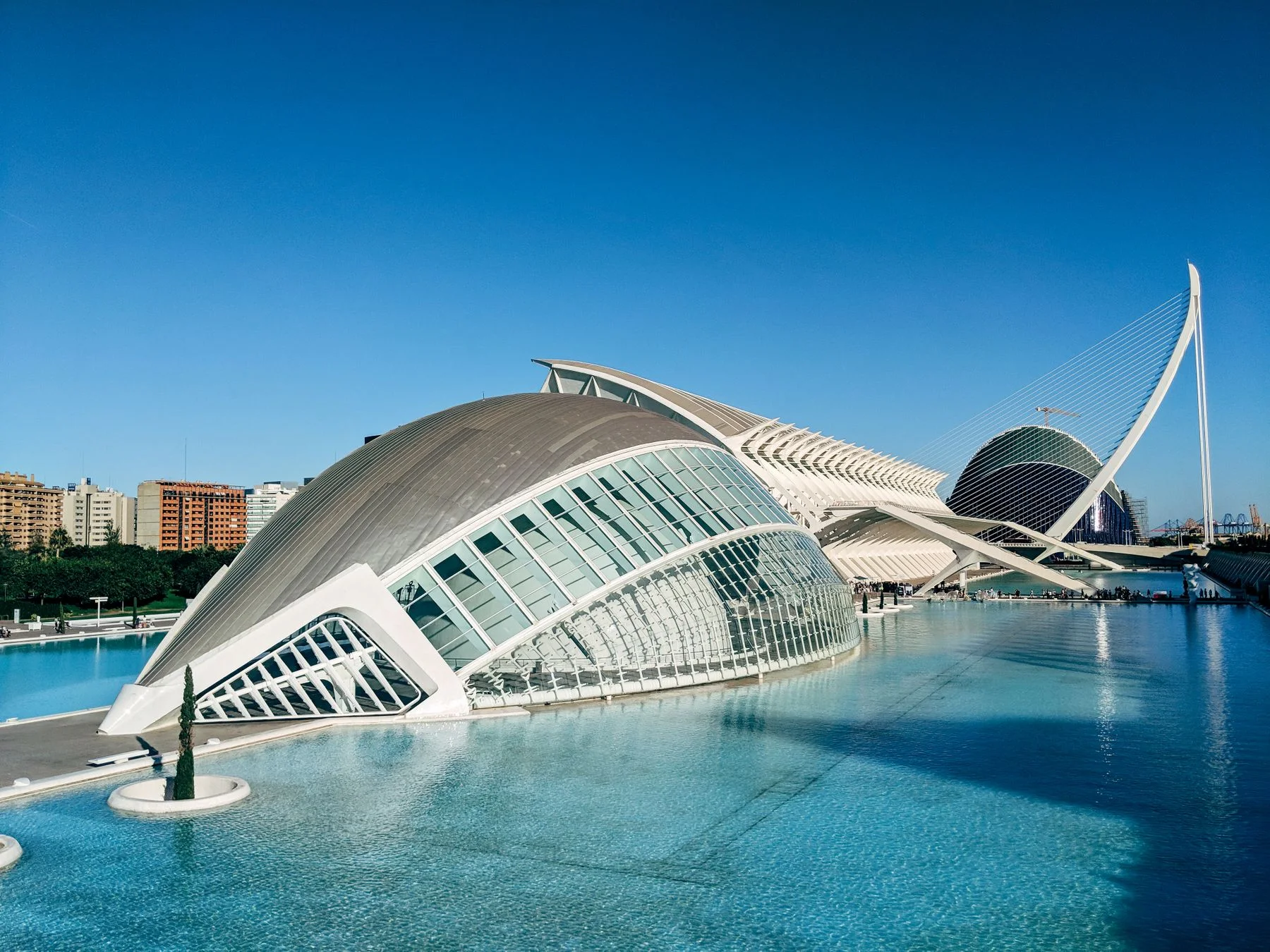
- City of Arts and Sciences. Exterior architecture merits a walk, but the Science Museum, Hemisfèric and other spaces are different visits. Select venues with enough time. Choosing venues.
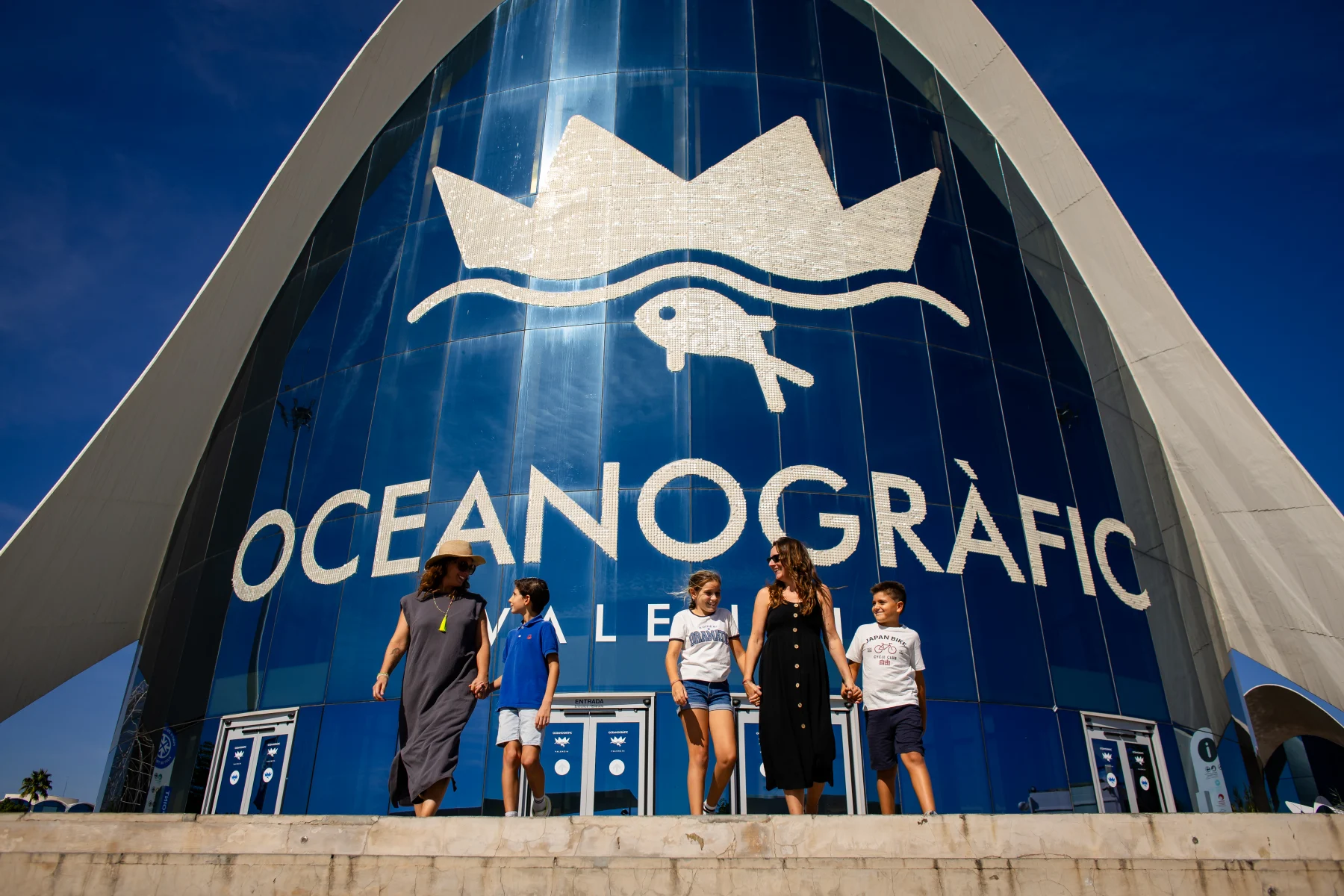
- Oceanogràfic. Give its environments and routes a proper block. It is not a brief stop after a full old-town morning and before a distant afternoon booking. Oceanogràfic planning.
- Fallas Museum. Pardoned ninots show what survives the festival's fire. A way to understand Fallas outside March, geographically paired with Montolivet.
- Mercado de Colón. Modernista architecture and food in the Ensanche. A break or meal depending on the business, not the food market opposite the Silk Exchange.
Maritime neighbourhoods: give both streets and sea time
- Cabanyal and Canyamelar. Explore houses, ceramic façades, market and maritime references. The neighbourhood is more than a single photo façade or the promenade. Cabanyal route.
- Las Arenas and Malva-rosa. Promenade, lunch and beach according to season. Swimming depends on daily conditions and flags, not sunshine in a photograph. Choosing beaches.
Two visits needing their own journey
- BIOPARC. By Parque de Cabecera in western Valencia, a visit around African environments. Plan its own block and transport rather than treating it as Oceanogràfic's neighbour. BIOPARC guide.
- L’Albufera. Landscape, rice fields, El Palmar and possible boat trips require choosing an activity and return journey. It is not another central square for a spare twenty minutes. Albufera planning.
Choose with one, two or three days
One day: old town and a Turia section or exterior contemporary architecture. Two days: centre on one day, a major contemporary-area visit and walk on another. Three days: add coast or l’Albufera, or substitute BIOPARC if that matters most. Choosing means saving other places for another trip.
Use the one-day, two-day and three-day routes, checking opening before setting the order. The market shapes one morning; a timed session determines another block. This list supports priorities rather than certifying twenty visits in a weekend.
Frequently asked questions
Can I see all twenty in a weekend?
Not attentively with interiors, meals and transport. Choose areas and two or three main visits per day.
What is actually beside the Central Market?
The Silk Exchange and Santos Juanes share its surroundings; Cathedral and Santa Catalina continue through the centre. Oceanogràfic and BIOPARC require other journeys.
Is the City of Arts one admission?
No. It contains different venues and visit types. Check your exact product's inclusions.
Are Oceanogràfic and BIOPARC next to each other?
No. Oceanogràfic is in the southeastern contemporary area; BIOPARC is in western Valencia.
Must I enter every building to enjoy Valencia?
No. Exteriors, gardens and neighbourhoods have their own value. Select interiors around interests and time.
Which museum explains Fallas outside March?
The Fallas Museum preserves pardoned ninots and introduces part of the festival in other seasons.