A market for shopping and understanding Valencia
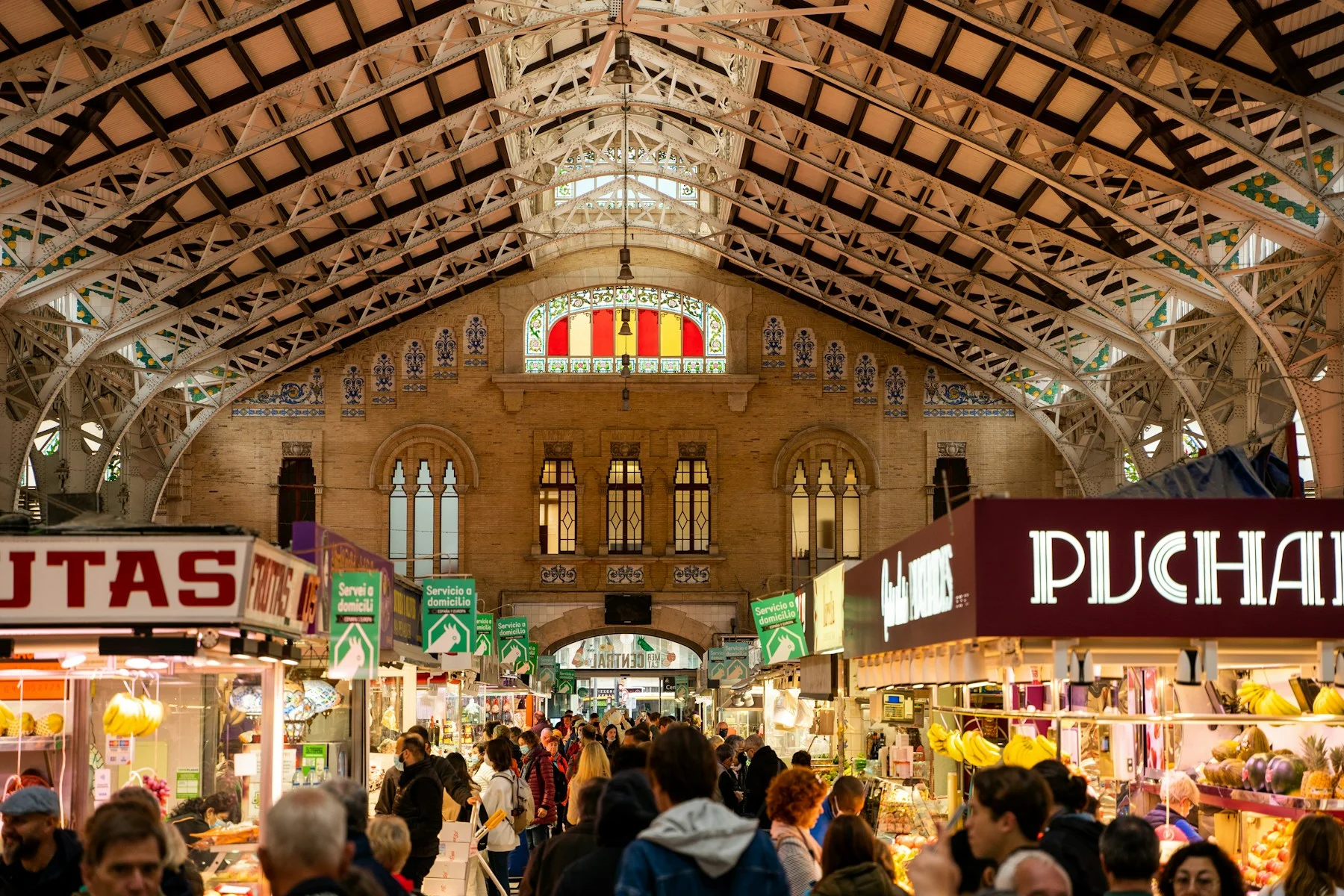
The Central Market brings farmland, coast and home pantry under one roof: vegetables, fish, preserved seafood, spices, rice and pickles. For a first circuit, follow an aisle of fresh produce and return along another devoted to pantry goods. You can compare colours, preservation methods and shopping habits while noticing the building. Pick two or three products you want to recognise and ask where they come from or how to cook them; a small purchase can prompt a better conversation than a hurried lap.
Allow around 45–75 minutes for the visit described here, depending on how much shopping you do. This is our planning estimate, not an organised tour. Add the Silk Exchange and a walk towards Velluters for a full morning. Together they show different kinds of trade, from medieval business to everyday food shopping.
When to visit: before lunch, rather than afterwards
The market publishes regular opening hours of Monday to Saturday, 7:30 am–3 pm. Check public holidays separately. Arriving during the morning lets you see trading without relying on the final minutes; individual stalls begin packing away at their own pace near closing. On Sunday you can see the exterior, but should not plan an indoor shopping visit.
If you arrive on Saturday afternoon and leave on Monday, try Monday morning if your departure allows it. Mercado de Colón is not a like-for-like replacement: it is another Modernista building, now mainly devoted to eating and drinking. Russafa and Cabanyal offer neighbourhood markets, but their opening arrangements need separate checking.
The building: iron, daylight and food symbols
Start outside with the square's architectural contrast: Modernista market, Gothic civic Silk Exchange and the Baroque presence of Santos Juanes. Inside, look from the counters up to the roof. The metal structure makes the broad interior possible; stained glass, ceramic decoration and domes include references to Valencian produce. Look upwards from different aisles, keeping busy crossings clear.
Alternate between the height of the hall and details on the counters: that change of scale is part of the visit. Keep crossings clear for shoppers and ask before taking a trader's portrait. This lets you enjoy the monument and its daily activity together.
What to look for at the stalls
- Rice: ask about the variety and intended dish. Different varieties absorb stock differently; a sealed packet makes an easy purchase to carry if you explain what you hope to cook.
- Seasonal vegetables: look for artichokes, beans and other local produce according to the time of year. Today's display matters more than a promotional photograph.
- Fish and preserved seafood: compare fresh catches, salt cod and tins. Recognising ingredients gives context if you try esgarraet later.
- Pickles and olives: an alternative to buying only sweets. Check the packaging and how it will travel.
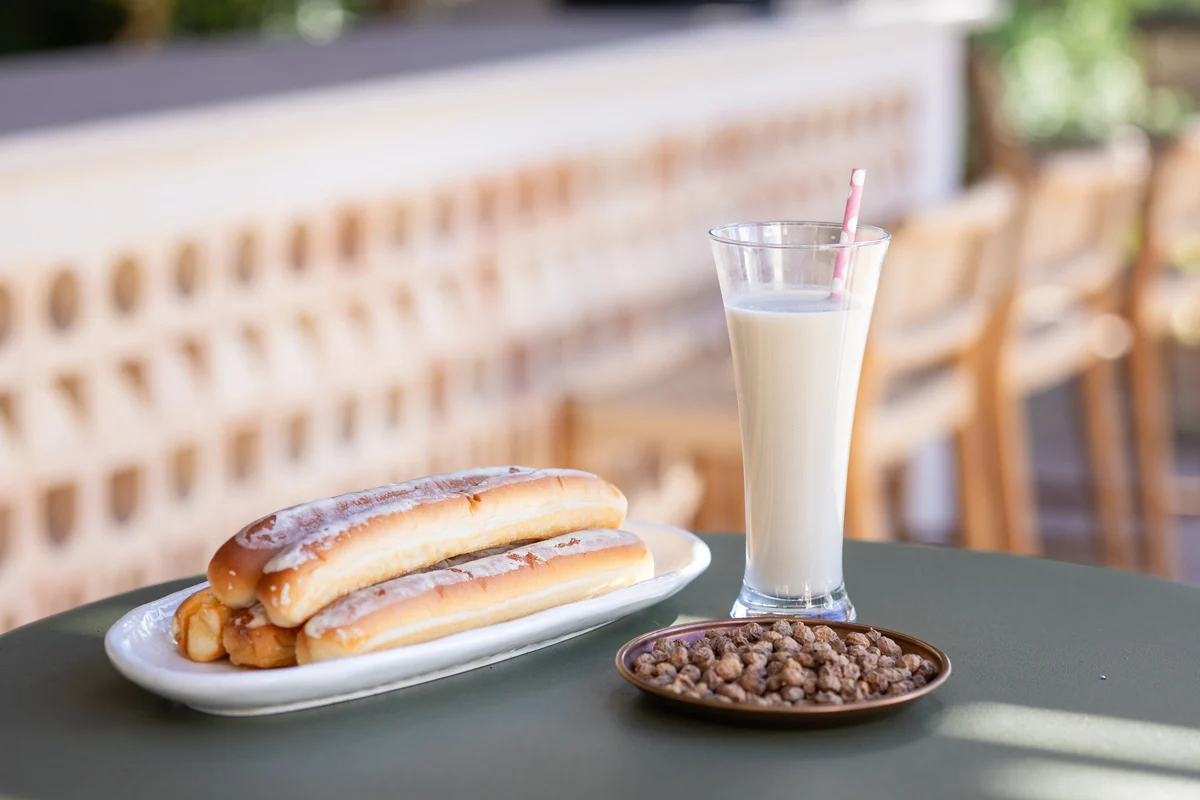
- Tiger nuts and horchata: dried chufa and the fresh drink have different storage needs. Natural horchata needs refrigeration; do not buy it to carry around for hours.
Breakfast, almuerzo or food shopping?
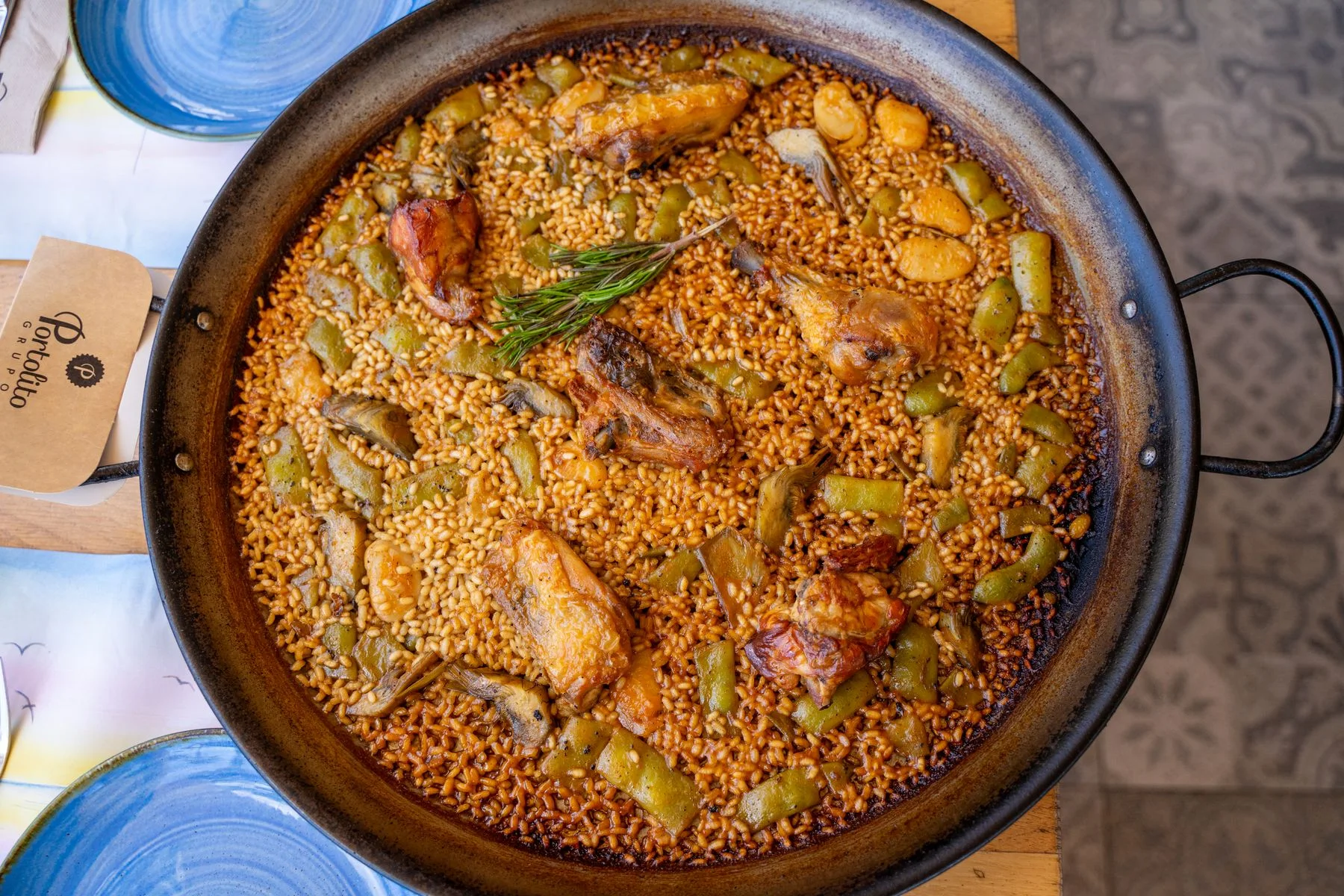
For a food stop, choose between a brief tasting and a sandwich-based almuerzo. With almuerzo, filling, size and accompaniments matter more than collecting stops; ask what the venue's offer includes. A smaller break leaves room if paella is booked afterwards. The Valencian food guide offers other combinations of rice, tapas and afternoon snacks across several days.
Continue without travelling across the city
Step towards Santos Juanes to see the square again, then visit the Silk Exchange. From here you can head for Plaza Redonda and Santa Catalina, or take the Velluters route towards the Colegio del Arte Mayor de la Seda. These are different branches: the first leads towards the Cathedral, while the second explores the silk story further. With only one morning, choose one and leave time for lunch. Our one-day Valencia plan places the market within a longer walk.
Frequently asked questions
Does the Central Market open on Sunday?
The published regular schedule is Monday to Saturday, 7:30 am–3 pm. Do not plan indoor shopping on Sunday, and check public holidays separately.
How much time should I allow?
Our estimate is 45–75 minutes to appreciate the building and shop without rushing. Walking straight through shows less of the working market.
Is Mercado de Colón the same place?
No. It is in the Ensanche and now mainly houses food and drink businesses. The Central Market remains a food market.
What can I take home without refrigeration?
Packaged rice, spices or dried tiger nuts can be practical. Check packaging and your destination's import rules, especially for animal products.
Can I eat paella inside the market?
Do not assume every stall serves meals. Check the actual offer and distinguish a tasting from a rice restaurant cooking to order.
Which sights are nearby?
The Silk Exchange and Santos Juanes face the market area. Plaza Redonda, Santa Catalina and Velluters extend the visit on foot within the same part of town.