Decide which rice dish you want
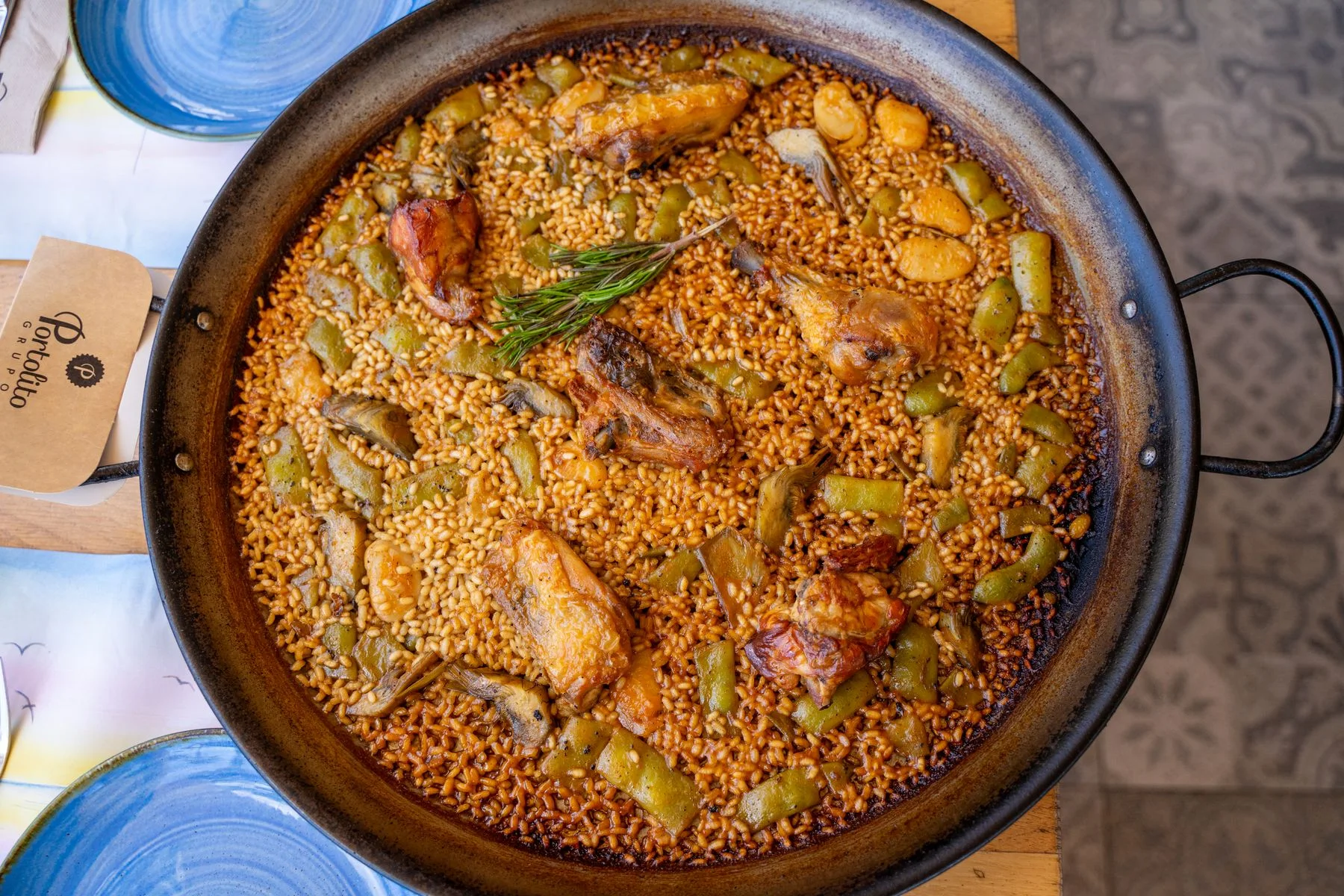
The most widespread Valencian paella combines rice, chicken, rabbit and vegetables such as green beans and garrofó beans. It is different from seafood paella or mixed rice. Local and seasonal variations also exist, so ask about the house recipe rather than testing every dish against a memorised rigid list. If you want the Valencian meat-and-vegetable version, request it by name.
The wide pan is also called a paella; it allows a relatively thin layer of rice to cook. The dish connects rice farming with shared meals. Its best place in your itinerary is usually an unhurried lunch, rather than a task squeezed between two timed admissions.
Reading the menu: dry, creamy and brothy
Dry rice finishes with its liquid absorbed; meloso remains moist and creamy, while caldoso is served with broth. These are different preparations, not quality grades. Arroz a banda and del senyoret belong to the seafood repertoire, with differences in preparation and presentation. Senyoret generally makes seafood easier to eat, but ask what the dish contains. Black rice uses ink and is not Valencian chicken-and-rabbit paella either.
The Arroz de Valencia designation protects families of rice adapted to this territory, including senia-type, bomba and albufera. You do not need to choose a variety for the restaurant. It helps explain why a recipe and cooking method cannot simply be transferred to any rice you buy for home.
Questions to ask when booking
- Is it cooked to order? Some places ask you to choose rice at reservation; others take the order on arrival. Knowing avoids unexpected waiting or discovering that a speciality needs advance notice.
- Is there a minimum number of portions? Confirm whether two diners must share the same rice or whether an individual portion is possible.
- Is the price per person or per pan? Read the menu unit before multiplying, and ask about supplements.
- What ingredients and stock are used? Essential for allergies and plant-based diets: removing visible seafood does not make fish stock vegetarian.
- How much time should the table allow? There is no universal duration. Leave room before the next activity.
Three settings for the meal
City centre: a rice restaurant can finish a morning of market and monuments. It is convenient if you want to return to your accommodation or visit a nearby museum afterwards. Quality does not depend on a sea view; look for clear information on cooking, menu and bookings.
Cabanyal, promenade or Malva-rosa: lunch can follow a neighbourhood walk and precede a relaxed coastal afternoon. Locate the restaurant precisely instead of relying on a generic “beach” label. Include travel both ways and avoid scheduling another interior visit across the city immediately afterwards.
El Palmar and l’Albufera: rice connects with the landscape producing it. Coordinate walking, lunch and any boat outing. An El Palmar restaurant reservation does not automatically include transport or a boat. See the l’Albufera guide to assemble the day.
Enjoy the meal without turning it into a test
When the paella arrives, notice three things: the rice layer, its texture and the bottom. Socarrat is the toasted part that may form against the pan, adding a crisp contrast; try a small amount alongside the rest of the rice. Staff can help distribute it. Eating from the pan or serving on plates depends on the table and venue; sharing the rice at its best is what matters.
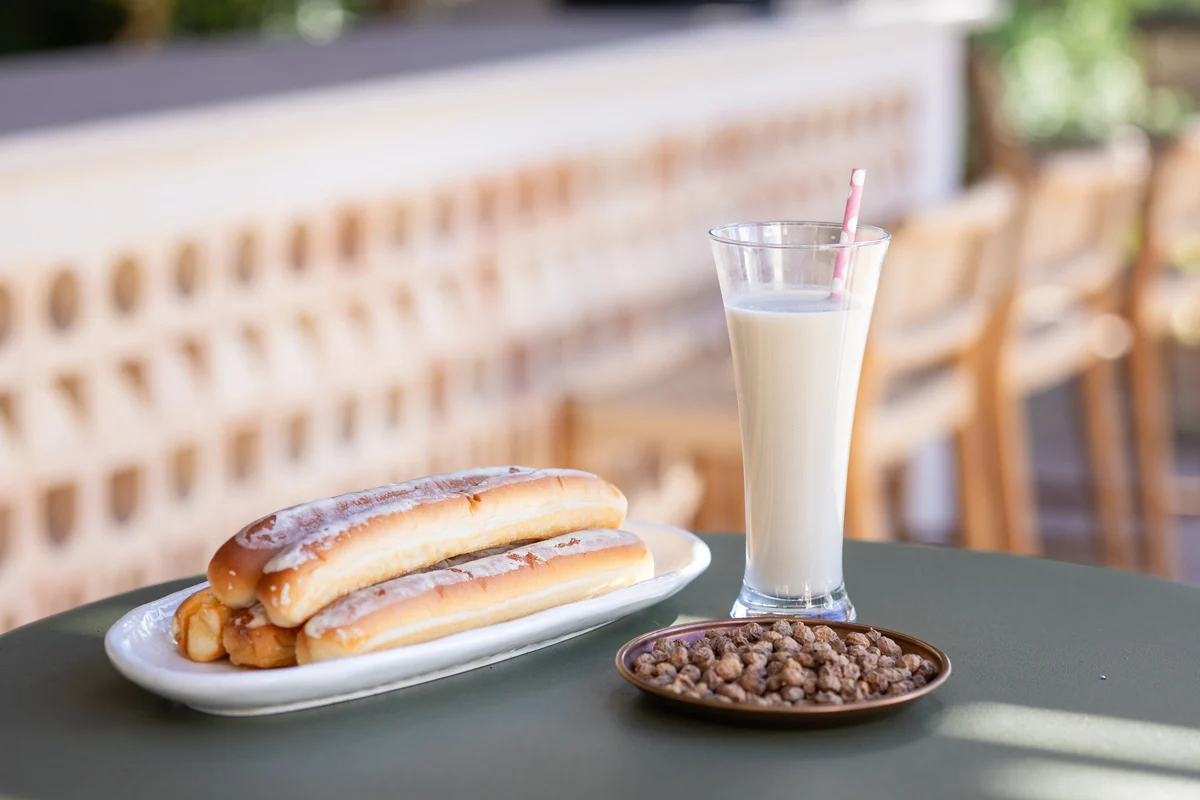
For starters, look for esgarraet, small cuttlefish or seasonal clóchinas when available. With rice as the main event, there is no need to order the whole menu. Distribute other flavours using the food guide, and save horchata with fartons for a separate afternoon snack.
A simple plan without compressing everything
Choose a morning visit in the area where you will eat and leave time after lunch when possible. If a timed activity follows, work backwards: admission, arrival at its entrance, travel from the restaurant and leaving the table. That sequence shows whether the meal fits or belongs on another day. Ask the restaurant about advance rice orders, sittings and booking changes together.
Frequently asked questions
Does Valencian paella contain seafood?
The most widespread Valencian version uses chicken, rabbit and vegetables. Seafood paella is a different preparation; confirm the house recipe.
How do dry and meloso rice differ?
Dry rice finishes without free broth; meloso retains more moisture. They are different preparations, not quality levels.
Must I order before arriving?
It depends on the restaurant. Ask whether the rice and portion count need choosing in advance.
Is the menu price for the whole pan?
Not always: it may be per person. Check the unit, minimum portions and supplements before ordering.
Is vegetable rice always vegetarian?
Not necessarily. Confirm the stock and other ingredients; removing pieces of fish does not change fish-based stock.
Does lunch in El Palmar include a boat trip?
Only if the purchased product explicitly says so. Restaurant, transport and boat can be separate reservations.