A neighbourhood is more than a label
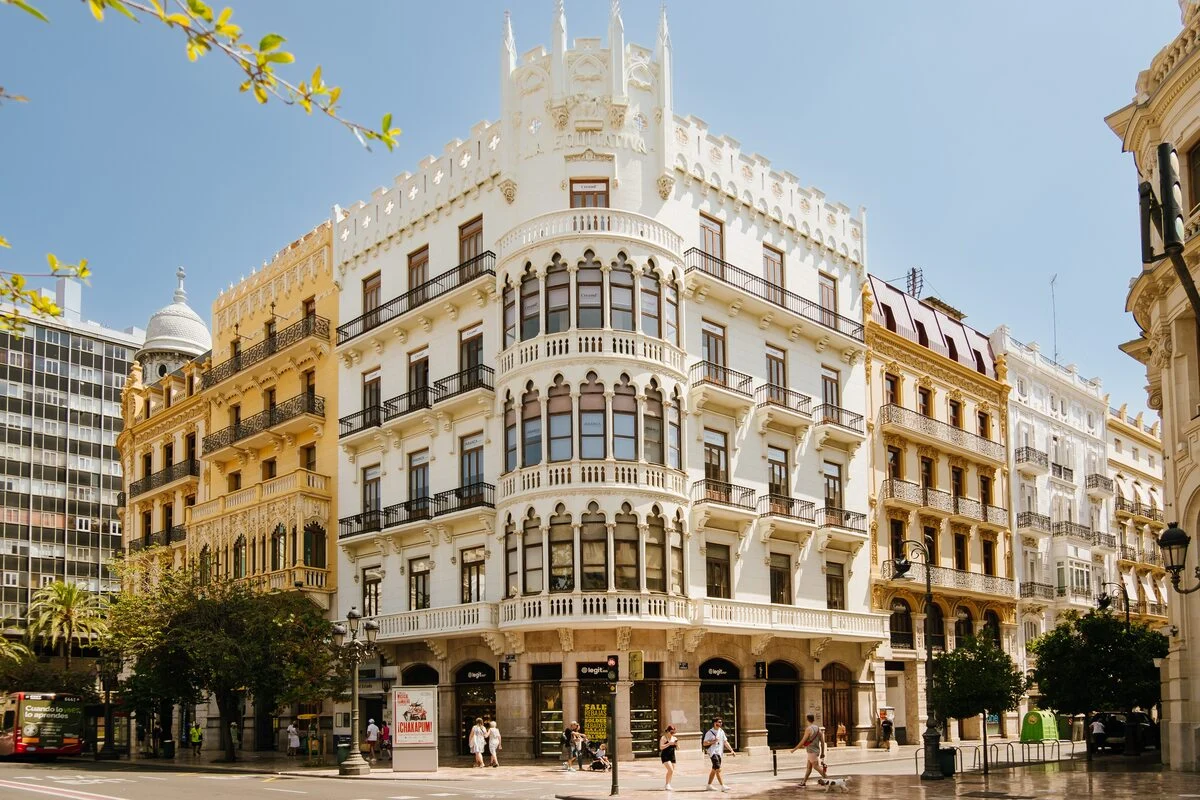
“Central”, “alternative” and “near the beach” say little about your actual route. Valencia changes scale between medieval streets, the Ensanche grid, maritime layouts and former villages incorporated into the city. Locate an axis, decide why to walk it and understand its links with the rest of the trip.
These five areas differ. Ciutat Vella concentrates heritage; Russafa mixes market and commercial activity; Cabanyal and Canyamelar connect city and sea; Benimaclet retains the scale of a former village; Montolivet links neighbourhood life, Fallas culture and the Turia. You need not see them all on a first stay. Pick two to explore properly.
Ciutat Vella: market to city gates
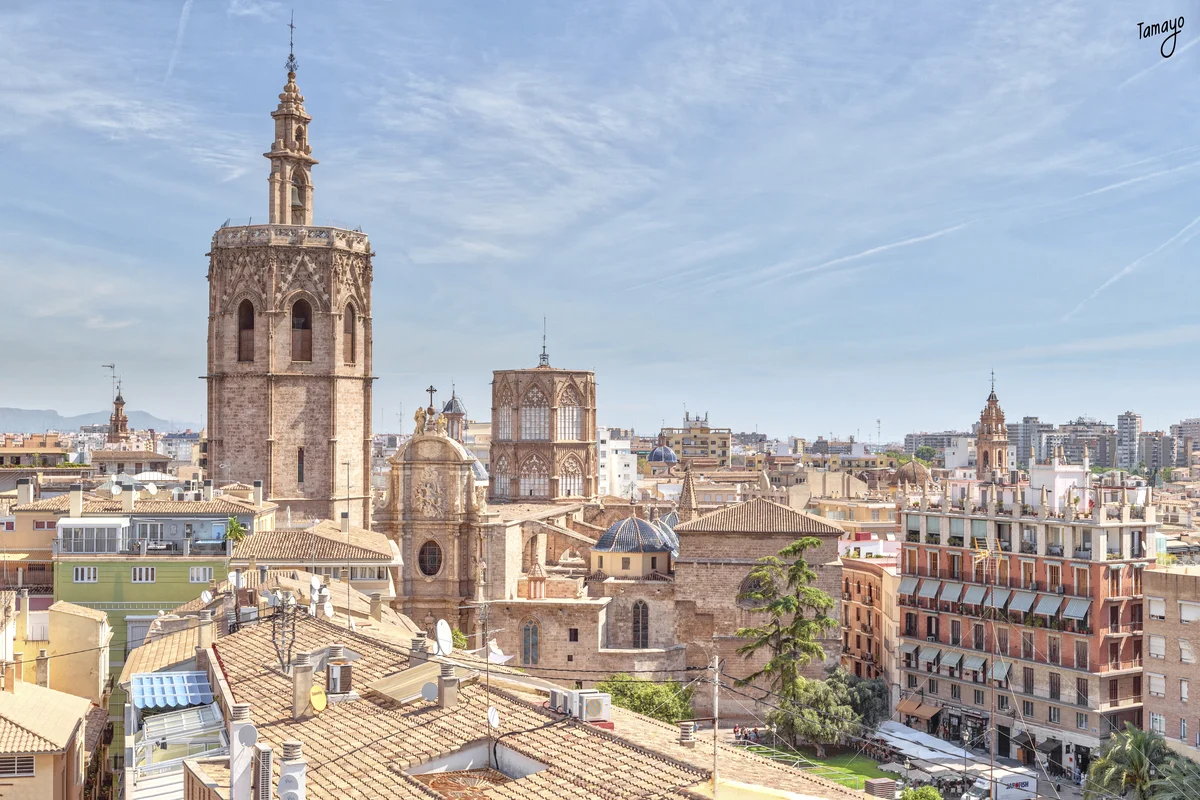
For a first morning, follow Central Market → Silk Exchange → Santa Catalina → Plaza de la Reina → Cathedral and Plaza de la Virgen. This axis brings trade, architecture and public space together without changing area. Finish towards Serranos to understand the old riverbed relationship. Each monument interior needs time; it is not just a continuous walk.
For El Carmen, branch along Caballeros towards Plaza del Tossal, Portal de la Valldigna and the Carmen area. Notice courtyards, street alignments and different building periods. El Carmen is not the entire Ciutat Vella district. For silk history, Velluters towards Calle Hospital is another choice rather than a compulsory addition.
For accommodation, check the exact street and luggage access. Proximity to a square guarantees neither quiet nor a taxi to the door. Expand the walk with Ciutat Vella.
Russafa: begin at the market, not a bar list
Plaza Barón de Cortes and its market are useful references. Walk around Sueca and Cádiz to see shops, cafés and residential streets. Morning reveals a working, shopping neighbourhood; afternoon activity differs. Decide which interests you rather than expecting the same scene at every hour.
To connect with the Ensanche, give Mercado de Colón a separate block. Russafa and Colón are different markets and settings. Parc Central can provide a garden break, choosing the appropriate entrance. During Fallas, installation and events may alter the usual route.
When choosing accommodation, check room orientation, the street and neighbouring businesses' hours rather than gastronomic reputation alone. The Russafa guide develops the walk.
Cabanyal and Canyamelar: neighbourhood before sand
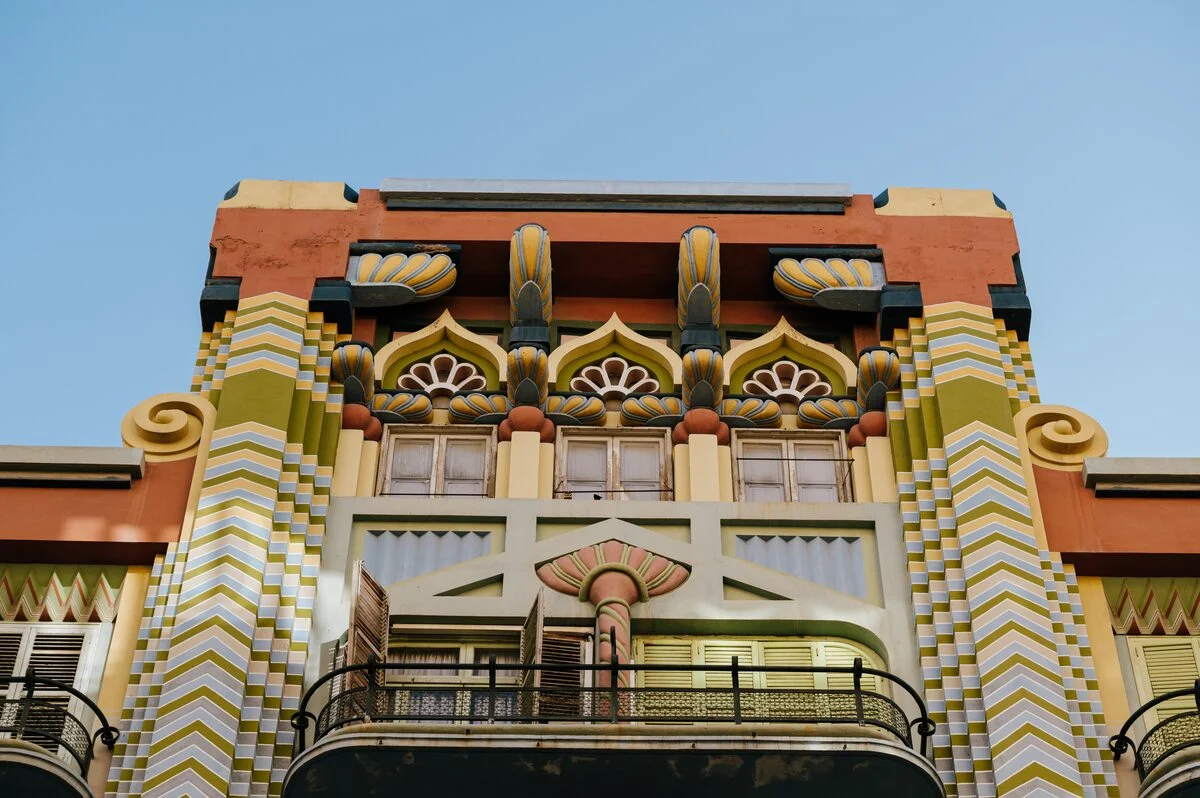
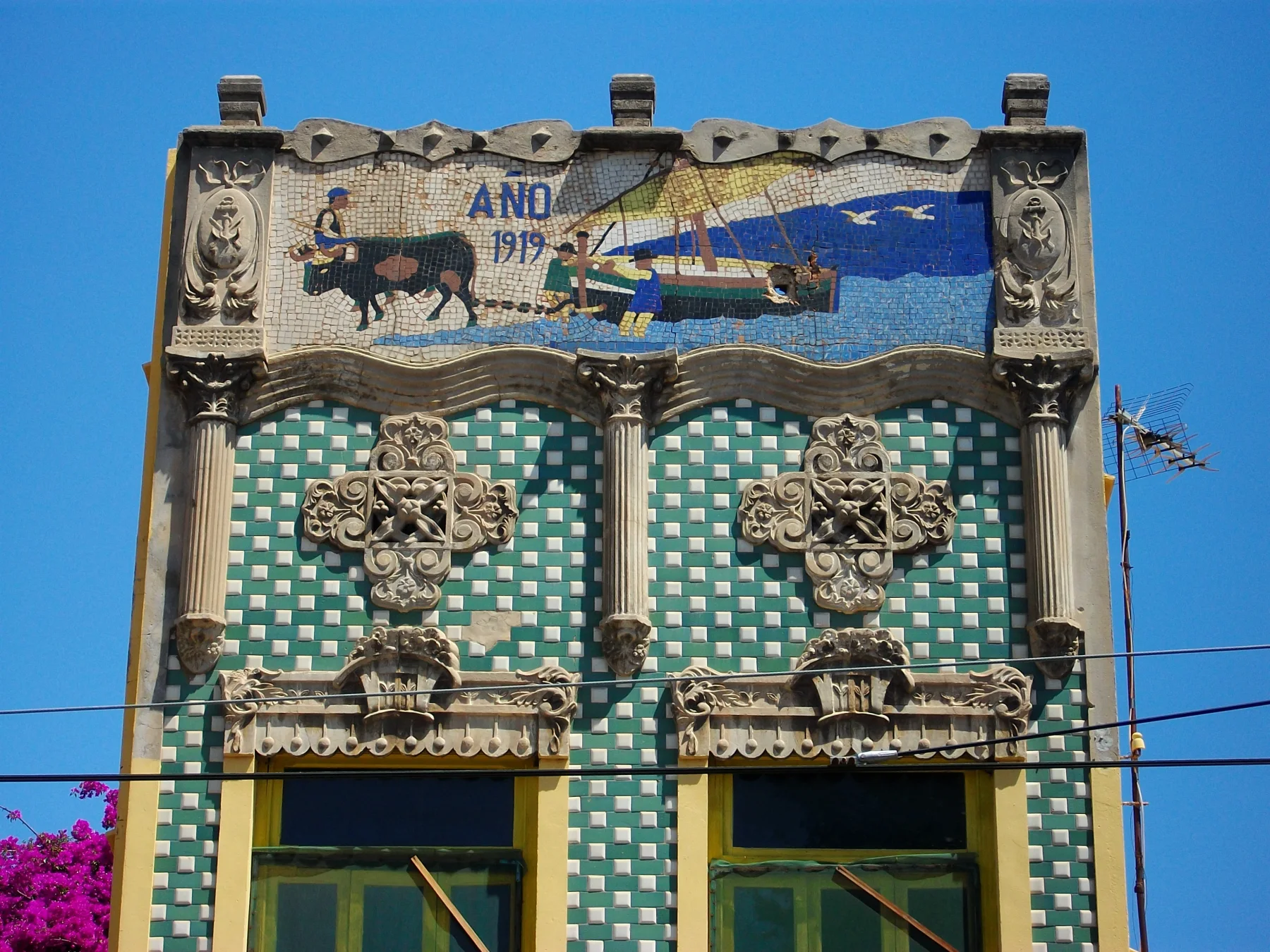
Calle de la Reina, Barraca and their connecting streets reveal houses, ceramic façades and shops. Add the market as an everyday reference, then choose an exit towards Las Arenas or the Marina. These are homes and businesses; every façade need not be photographed and entrances must remain clear.
A coherent day gives the morning to streets and a chosen market or visit, lunch to maritime cooking and afternoon to promenade or beach. Do not reduce Cabanyal to one map point or assume accommodation faces the sea because of the name. Marítim and tram links help access, but the final stage to the actual address still counts.
The Cabanyal guide develops heritage and route; the beach guide separates swimming from an urban walk.
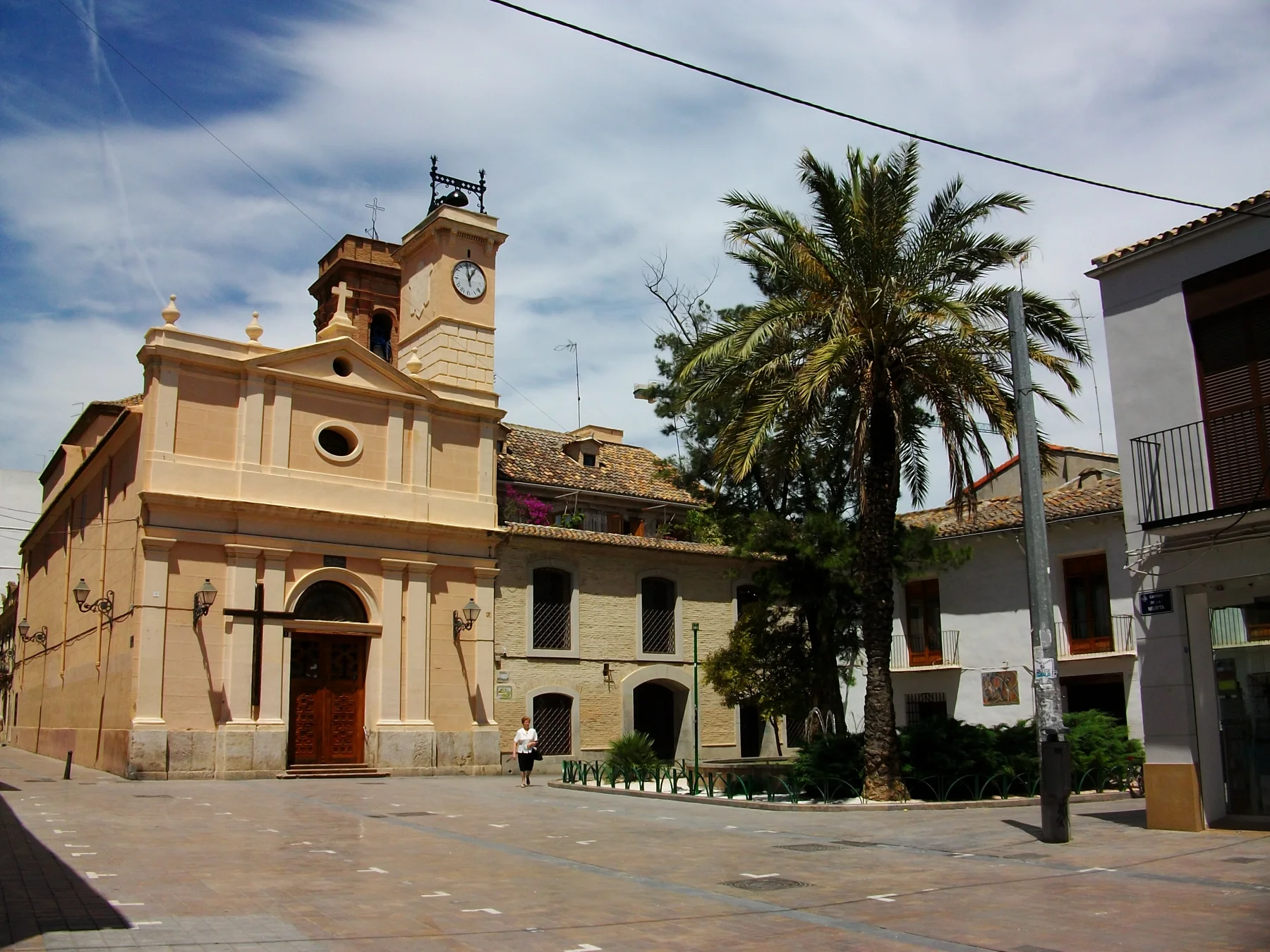
Benimaclet: a square and a former village's scale
Plaza de Benimaclet, Calle de la Murta and Baró de San Petrillo form a recognisable starting axis. Notice the contrast between the square and streets connecting with newer Valencia. This works as a slow walk and food or drink stop rather than a search for a major monument.
Do not assume a market, concert or celebration on your date: check any venue or association that interests you. Metro and tram make it possible to include another block, but do not place it beside the Cathedral. With only an afternoon, choose Benimaclet or coast rather than rushing both. See Benimaclet.
Montolivet: Fallas and Turia, more than a corridor
Montolivet square, church and Fallas Museum provide a specific starting point. Pardoned ninots explain what survives a festival of temporary art. Afterwards head towards the Turia and choose a green section or City of Arts architecture.
The geography works, but museum, park and major venues are not all brief pauses. Select the main interior and calculate the remaining walk. Accommodation near the contemporary area is not automatically at the beach or medieval centre. The Montolivet guide distributes these interests.
Choose without repeating routes
For heritage, start with Ciutat Vella and add Russafa for another setting. For coast, combine Cabanyal and beach while keeping a separate centre day. For gardens and contemporary architecture, use Montolivet as a thematic bridge; for everyday scale choose Benimaclet. The three-day plan distributes major areas and allows substitutions instead of adding neighbourhoods to an already full day.
Frequently asked questions
Are El Carmen and Ciutat Vella the same?
No. El Carmen is part of the broader Ciutat Vella district, which contains other historic-centre areas.
Where should I start in Russafa?
The market and Plaza Barón de Cortes are useful references, continuing around Sueca and Cádiz.
Does staying in Cabanyal mean a seafront room?
No. Check the exact address and walk to the beach; the neighbourhood includes inland streets.
What is there in Benimaclet beyond monuments?
The square and Murta–Baró de San Petrillo axis reveal the former village's scale and allow a neighbourhood-life break.
What gives Montolivet cultural interest?
Its square, church and Fallas Museum provide a starting point, followed by Turia and contemporary areas if desired.
Which neighbourhood guarantees quiet sleeping?
The name cannot decide this. Check street, room orientation, nearby businesses and festival overlap.