Accessible for whom? Begin with what you need
No single route works identically for manual or powered wheelchairs, walking aids, visual support or a quieter sensory environment. This guide helps plan, but does not certify each surface or piece of equipment. Define comfortable distance, usable toilets, transfer assistance, breaks and communication before booking. These needs shape the day better than a general label.
Choose an outdoor centre circuit with one selected interior, or a day at a major venue. Distances and durations are editorial estimates. Describe your situation to any adapted-service provider and request details of the actual entrance: one ramp does not resolve a complete route or activity on another floor.
Centre: Reina, Virgen and the Market area
Plaza de la Reina is a useful starting point. View the Cathedral's baroque entrance, then continue around the building towards Plaza de la Virgen using a passage appropriate to your mobility. Comparing doorways and squares provides a meaningful exterior visit without climbing a tower.
Continue if desired towards Santa Catalina and the Central Market. The circuit and return are roughly 1.5–2 kilometres depending on streets, and can end after the Cathedral. Entrances and crossings are not interchangeable. Works, café tables and crowds may alter passage, so retain an alternative street and avoid a booking immediately after the predicted finish.
Choose an interior and distinguish its sections
Visit València's accessible itinerary information identifies alternative Silk Exchange access and separates the ground-floor route from upper areas with stairs. For the Silk Exchange, establish where the useful entrance is and how it operates. The columned hall and courtyard explain its trading function even without every room.
For the Cathedral, arrange cultural admission and the parts you wish to see. The Micalet is a stair climb, different from nave and chapel visits. At the Central Market, choose an appropriate ramped entrance and allow for crowded aisles. If two interiors mean too many level changes or fatigue, choose one and a break.
Toilets and meals belong in the route
Identify a usable toilet and confirm availability during your time slot, not just an icon on a map. Explain required side space, particular dimensions or assistance. Choose an establishment that can answer those requirements specifically. Mark a nearby resting place and an early finishing point.
Book a table describing step-free access if needed, approach space and indoor or outdoor position. Freshly cooked rice provides a longer seated pause, while a filled roll and tapas make a shorter meal. Prioritise a table that works for the group; ask about recipe, service and allergies without postponing practical arrangements until hungry.
Alternative: one large venue with identifiable services
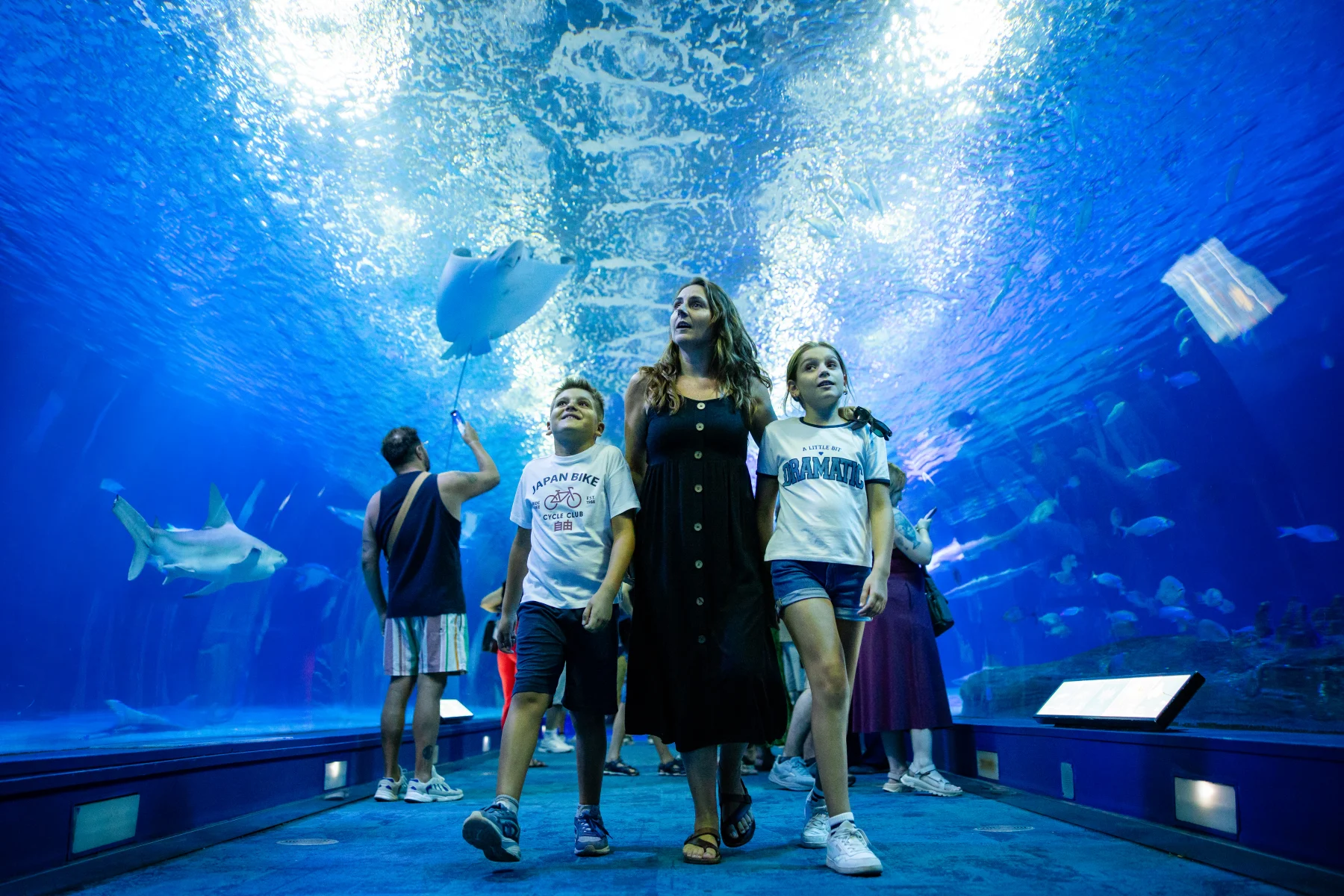
The Oceanogràfic lists ramps, lifts and manual wheelchair lending. This helps planning, but the site remains extensive with indoor and outdoor areas. Establish conditions, availability and any specific support before making the whole day depend on lending.
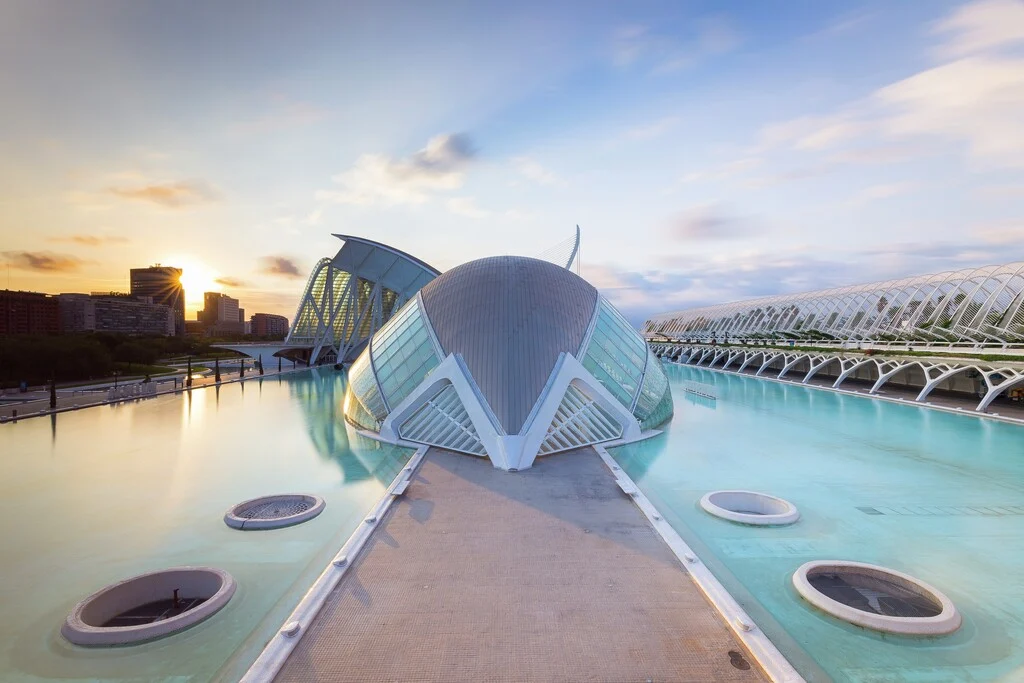
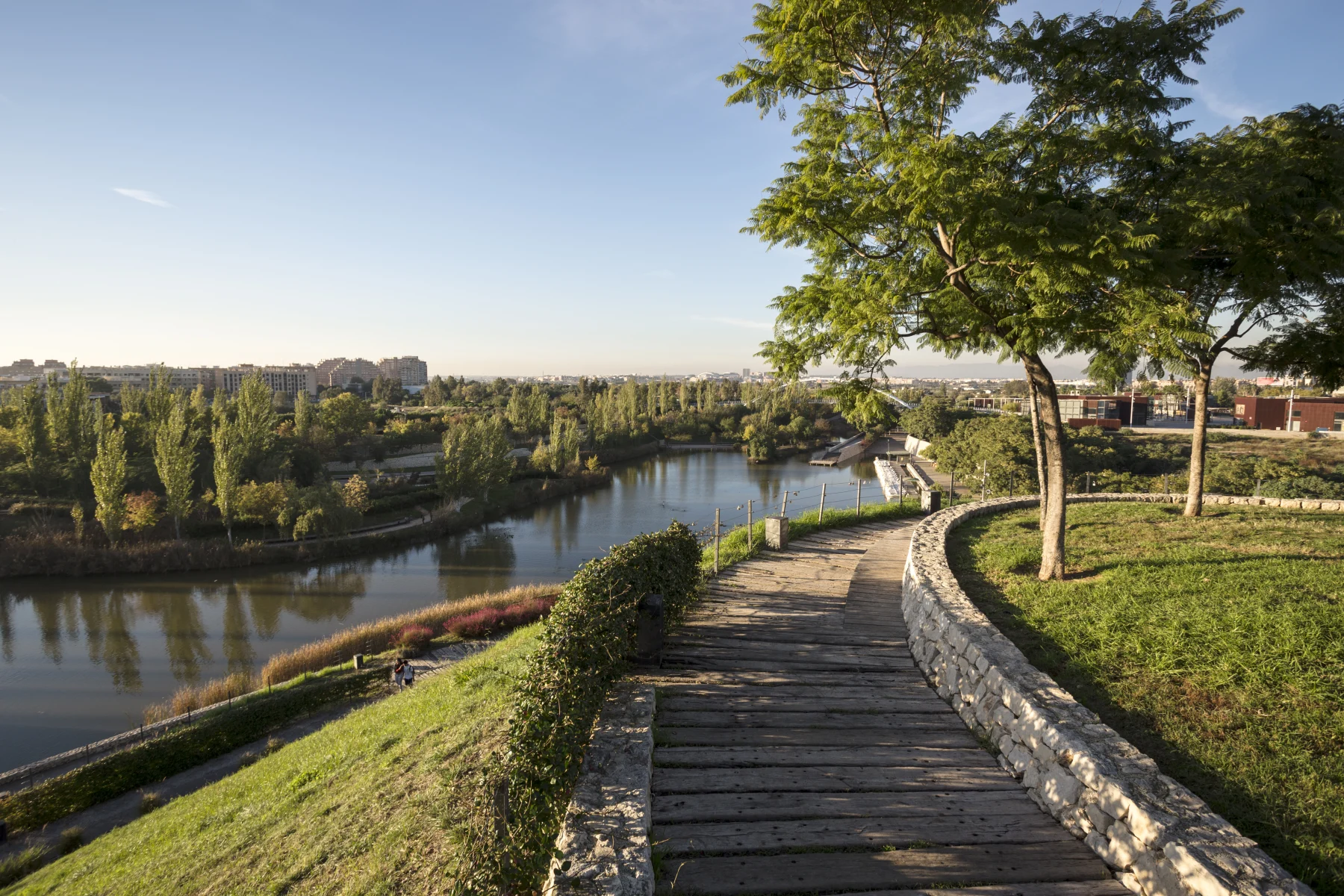
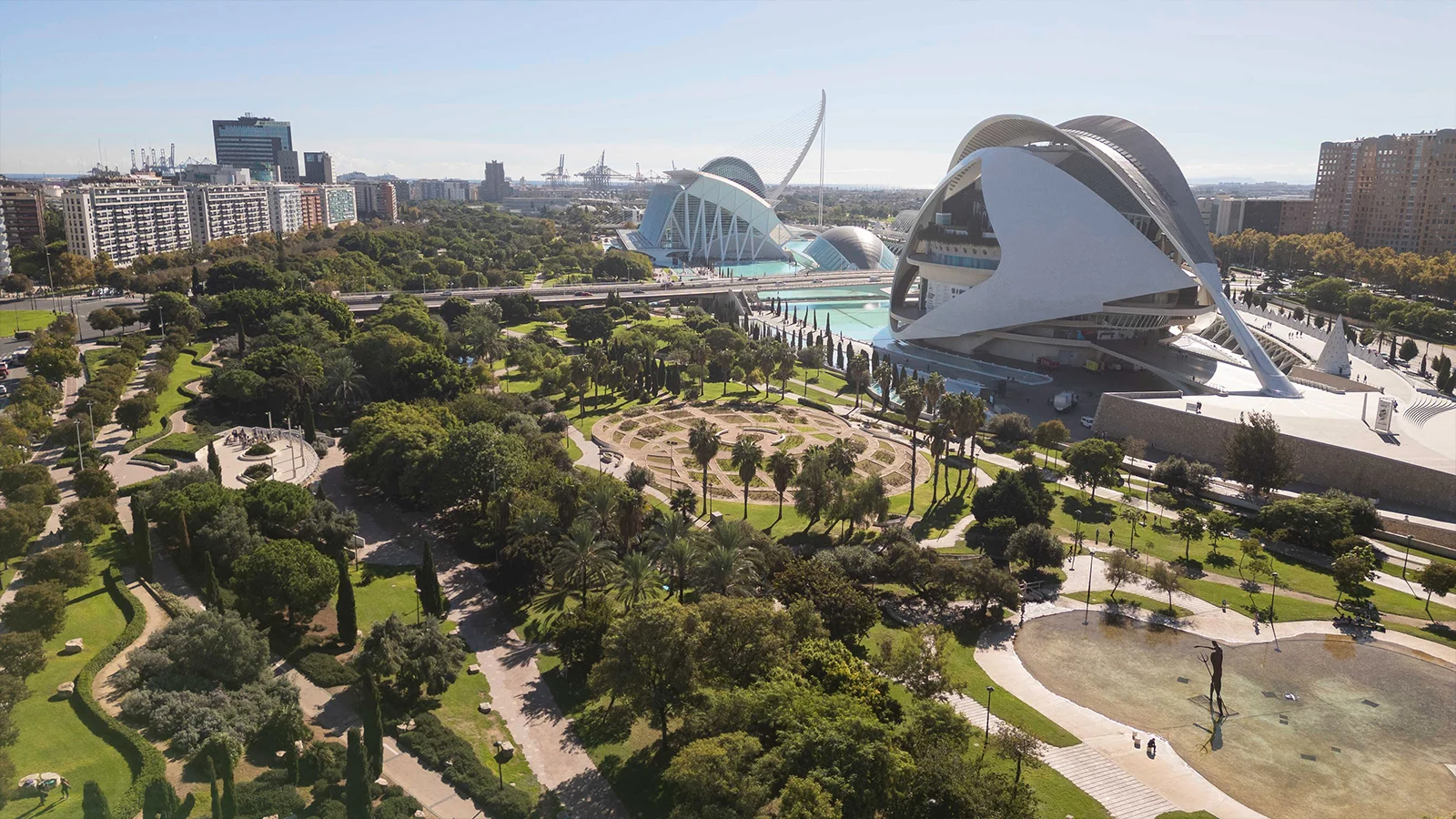
At the Museu or Hemisfèric, seating, accompaniment or sensory conditions may determine your session. Choose one substantial block and leave time for lunch and rest. In the Turia, choose one section with a planned return: total length and exit location matter as much as entry.
Transport, information and an easy finish
Plan outward and return journeys through the precise station or stop entrance, with an alternative if essential equipment is unavailable. A lift may be indispensable on the metro; bus travel involves stop, ramp and on-board space. Request an adapted taxi beforehand with the specifications you need.
For reduced stimulation or reading support, museums may offer specific resources: IVAM publishes accessibility services and easy-read materials. Asking about an actual need gives better answers than only asking whether a museum is accessible. Finish at a recognisable square near your planned transport. A short workable route offers more enjoyment than an ambitious one without a good return.
Frequently asked questions
Does the route certify universal accessibility?
No. It is a planning proposal based on individual needs and current services, not certification.
Does Cathedral access include the Micalet?
No. The tower requires stairs and is separate from the nave and chapels.
Can I rely on an Oceanogràfic loan wheelchair?
The venue lists manual wheelchair lending. Confirm conditions and availability before depending on it.
Is the whole Turia a short barrier-free alternative?
No. Appropriate entry and exit do not remove distance or surface differences. Choose one section with a return plan.
What should a table reservation explain?
Required access, approach space, table location and toilet needs, enabling a useful answer for your situation.