An Easter-season festival with its own identity
Sant Vicent Ferrer falls on the Monday eight days after Easter Sunday, so its date moves with Easter rather than occupying a fixed April day. Do not confuse it with Sant Vicent Màrtir, celebrated in January. The distinctive visitor experience here involves altars and theatrical miracles, rather than simply a different procession date.
The altars are temporary stages put up by associations in streets and squares. Children perform miracles attributed to the saint, in verse and in Valencian. Attending a performance shows a tradition passing between families and generations, even without understanding every word.
What to notice during a miracle play
Find an altar name and performance time in the programme, rather than searching only for a procession. Watch the stage, character changes and acting. An assembled altar does not mean continuous performances all day: between sessions you may see only the scenery.
If the story is unfamiliar, read a short synopsis when the association provides one. With children, one performance and a short walk offer an introduction without endless waiting. Choose a position that leaves passage and performers’ access clear.
A walk through the saint’s places
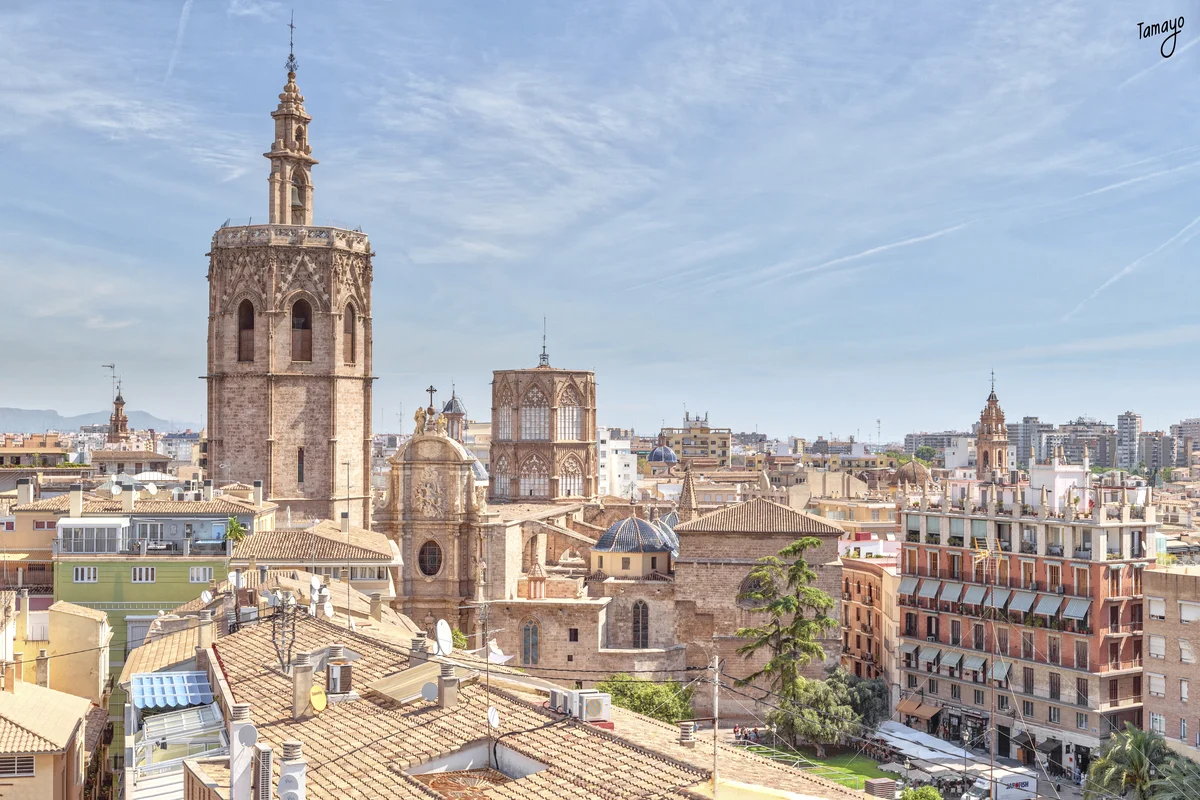
For your own walk of about two hours, start at the Cathedral, then head to San Esteban church, associated with his baptism. Continue towards El Pouet near Carrer del Mar, linked to his birthplace. The Convent of the Preachers beside Plaça de Tetuán provides another life reference. This is an outdoor route, not a promise of admission to all interiors.
The walk crosses different parts of Ciutat Vella without repeatedly returning to one place. Add a nearby programmed altar and time for the performance you select. Religious events have their own sequence and can change access around the Cathedral.
Planning half a day
Walk before the main event and finish with lunch in the centre. Allow three to four hours as a planning suggestion, or longer with indoor visits. Do not attempt every altar association: they are spread across neighbourhoods rather than forming one guided-tour route.
Use city transport to the edge of the centre and continue on foot. A free afternoon can suit the Turia or an existing booking, leaving a buffer after the event. Holiday arrangements may affect shops and services; an outdoor route avoids depending entirely on one building being open.
Outside the festival
You can follow the saint’s places on another day and see how homes, heritage and worship share the centre. Temporary stages and performers will not necessarily be there. The festival calendar guide distinguishes this celebration from Fallas, Corpus and the Virgin of the Forsaken before you choose travel dates.
Frequently asked questions
When is the festival?
On the Monday eight days after Easter Sunday. The date changes annually; use the edition’s calendar and distinguish it from Sant Vicent Màrtir in January.
What are the miracle plays?
Children act out episodes attributed to Sant Vicent Ferrer in verse and Valencian on temporary altar stages.
Do I need to understand Valencian?
It helps with the text, but staging, acting and context remain visible without complete understanding. Read the selected play’s synopsis if available.
Do altars offer performances all day?
Not necessarily. Each association lists performances and activities. A stage being installed does not guarantee a play at that moment.
Can I visit the saint’s places at other times?
Yes, as a city walk through associated places. Interiors have their own arrangements and temporary altars do not necessarily remain.